
The Bach Flower Essences, developed in the 1930s by Dr. Edward Bach, are a gentle system of 38 natural remedies that address the emotional roots of imbalance. Each essence corresponds to a specific state of mind such as fear, doubt, loneliness, or despair; and helps restore harmony by awakening the opposite positive quality within. Organised into seven groups, the remedies can be taken individually or combined, supporting both long-standing patterns and temporary upsets. Safe, subtle, and non-habit-forming, they offer a simple yet profound way to bring the emotions back into balance and the spirit back into alignment.
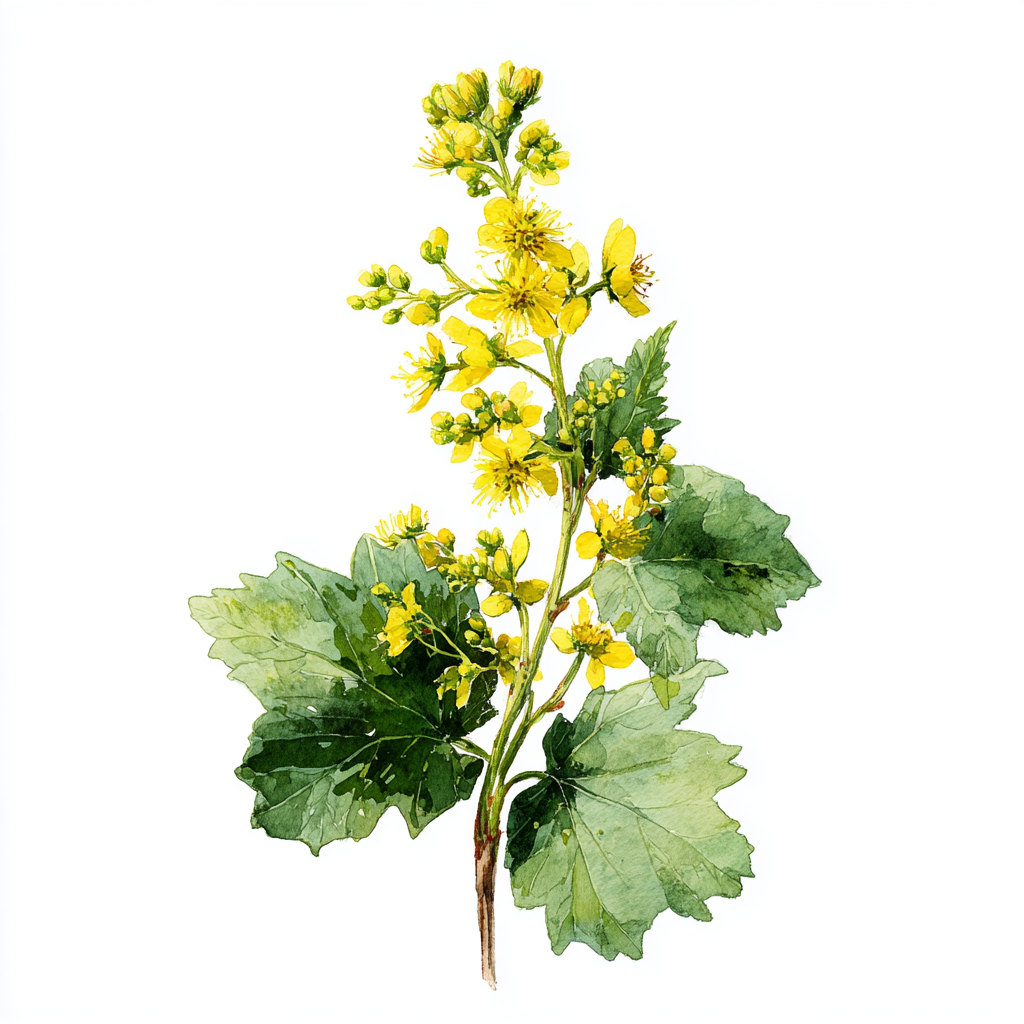
Agrimony
Group: Oversensitivity to Influences and Ideas
Keywords: Hides inner pain behind cheerfulness; avoids conflict by masking distress
Healing Qualities: Encourages openness, honesty, and peace of mind; helps one face difficulties without disguise
When to Use: For people who appear lighthearted and cheerful but suffer inwardly; when inner restlessness is masked by humor or distraction
Notes: Helpful for those who avoid confrontation or turn to substances or busyness to escape discomfort
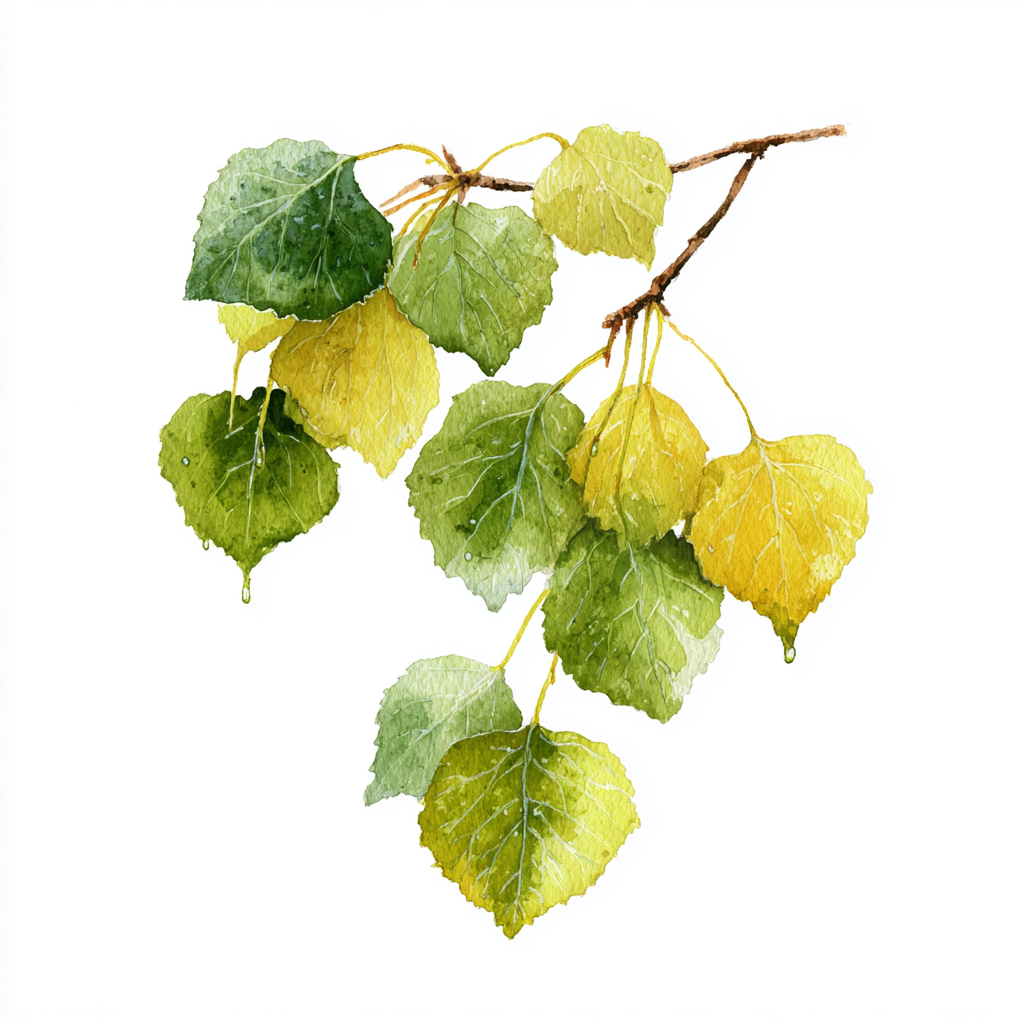
Aspen
Group: Fear
Keywords: Vague fears and anxieties; sense of dread without clear cause
Healing Qualities: Brings calm, courage, and trust; restores a sense of inner security when facing the unknown
When to Use: For anxiety, nervousness, or fears that cannot be explained; helpful for children with night terrors or sensitive individuals picking up on subtle energies
Notes: Complements Mimulus (fear of known things); for “unknown fear,” Aspen is the remedy of choice
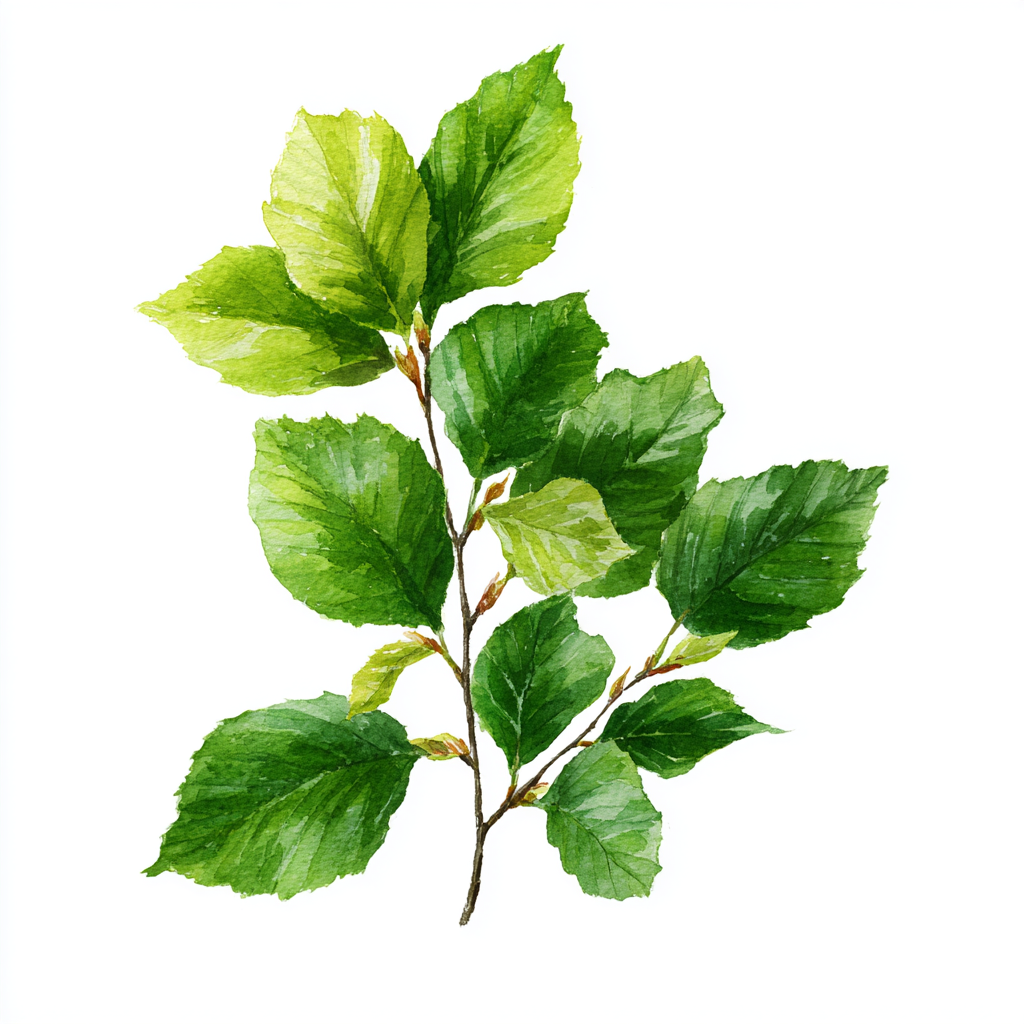
Beech
Group: Overcare for the Welfare of Others
Keywords: Criticism, intolerance, irritation at others’ shortcomings
Healing Qualities: Cultivates tolerance, empathy, and understanding; helps one appreciate differences and see the good in others
When to Use: For irritability, judgment, or when overly focused on faults in others
Notes: Known as the “essence of tolerance”; supports those working in groups or family settings where patience is needed
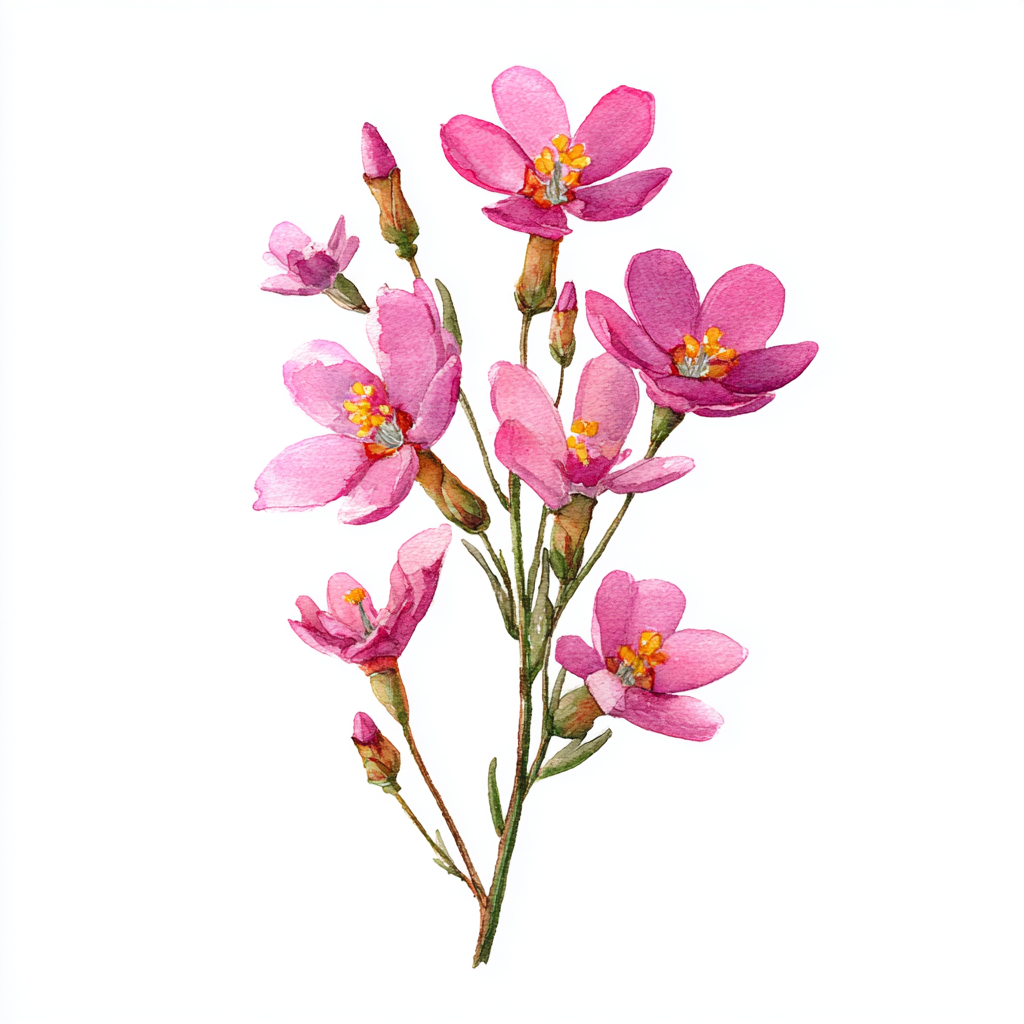
Centaury
Group: Oversensitivity to Influences and Ideas
Keywords: Weak boundaries, difficulty saying “no,” subservience
Healing Qualities: Strengthens self-will and assertiveness; allows service without self-sacrifice
When to Use: For those easily dominated, eager to please, or who feel taken advantage of; especially for gentle souls who cannot refuse requests
Notes: Especially supportive for carers and empaths who give away too much of themselves
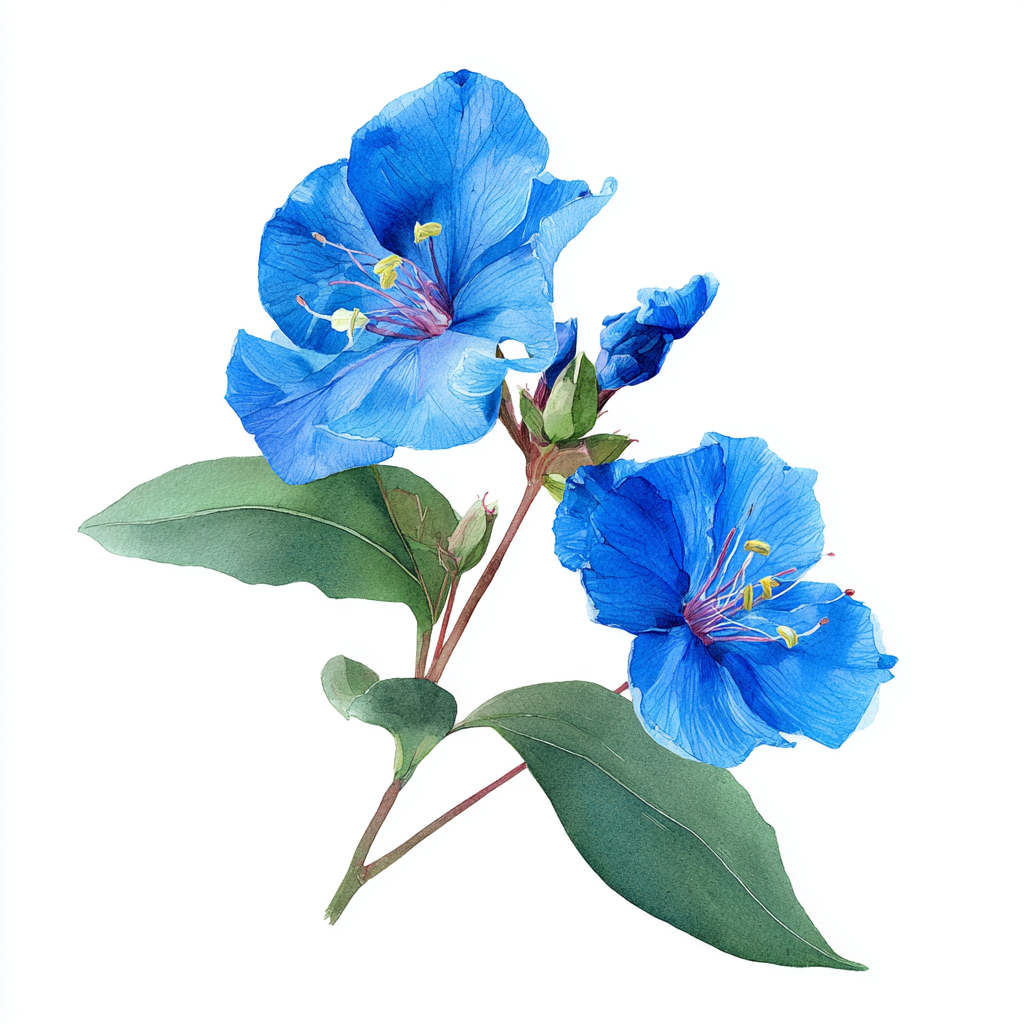
Cerato
Group: Uncertainty
Keywords: Doubt in one’s own judgment; constantly seeks advice and validation from others
Healing Qualities: Restores trust in intuition and inner wisdom; supports confidence in decision-making
When to Use: For those who ignore their own guidance and rely on others’ opinions, leading to confusion or regret
Notes: Complements Scleranthus (indecision between two options); Cerato relates more to overall lack of self-trust
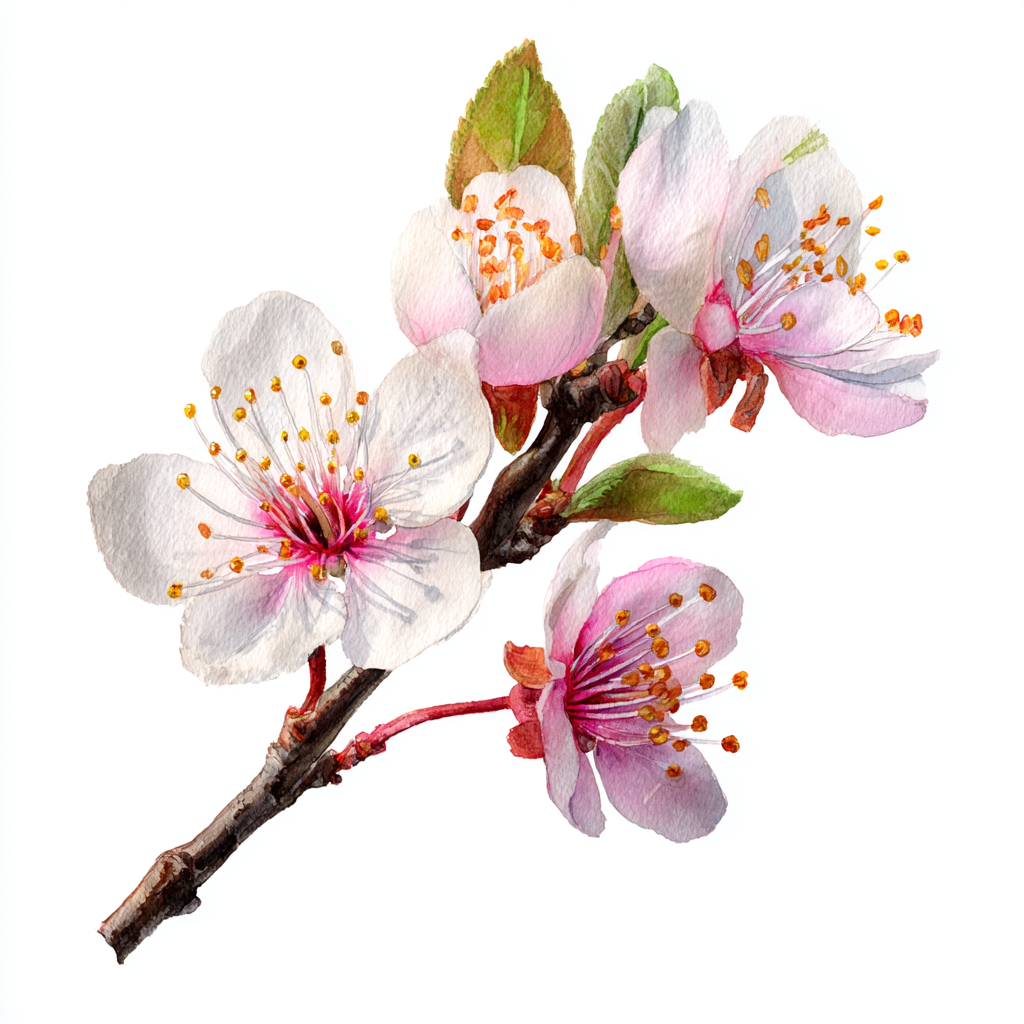
Cherry Plum
Group: Fear
Keywords: Fear of losing control; inner tension; impulsive or desperate feelings
Healing Qualities: Brings calm, composure, and trust; restores balance between mind and body, supporting self-control without suppression
When to Use: For moments of extreme tension, fear of “snapping,” or losing control of one’s actions; also supportive during times of overwhelming pressure
Notes: Often used for acute states; included in Rescue Remedy for its ability to stabilize the mind under stress
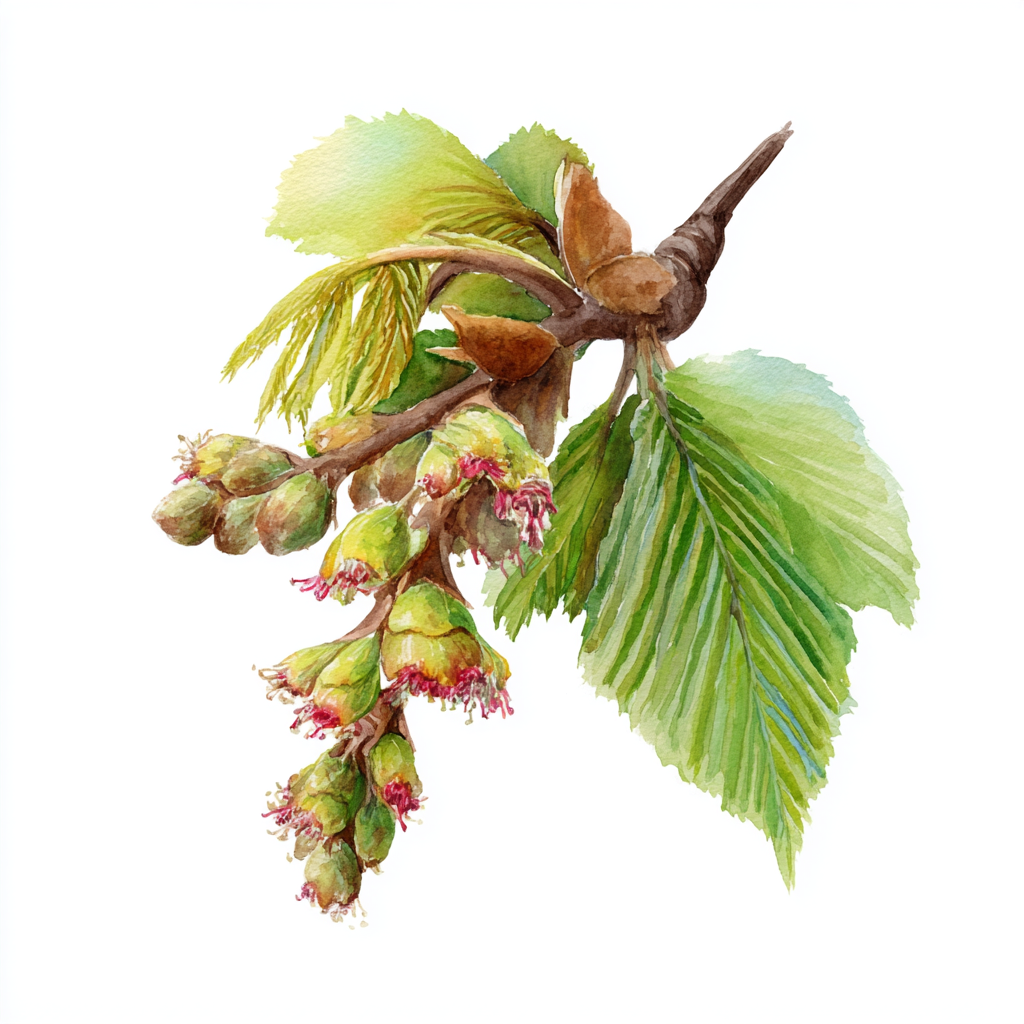
Chestnut Bud
Group: Lack of Interest in Present Circumstances
Keywords: Repeating the same mistakes; lack of learning from experience
Healing Qualities: Encourages awareness, observation, and integration of lessons; helps break cycles and foster growth
When to Use: When patterns or mistakes keep recurring; for those who rush into experiences without reflection; supportive for students and learners
Notes: Different from Clematis (which is about daydreaming and lack of presence); Chestnut Bud is about not integrating experience into wisdom

Chicory
Group: Overcare for the Welfare of Others
Keywords: Possessiveness, over-care, emotional manipulation, conditional love
Healing Qualities: Fosters selfless love, generosity, and respect for others’ freedom; helps relationships flow with genuine care
When to Use: For those who cling, smother, or feel unappreciated in relationships; when love is expressed as control or expectation
Notes: Helpful for parents or caregivers who overprotect; restores healthy boundaries in giving and receiving love
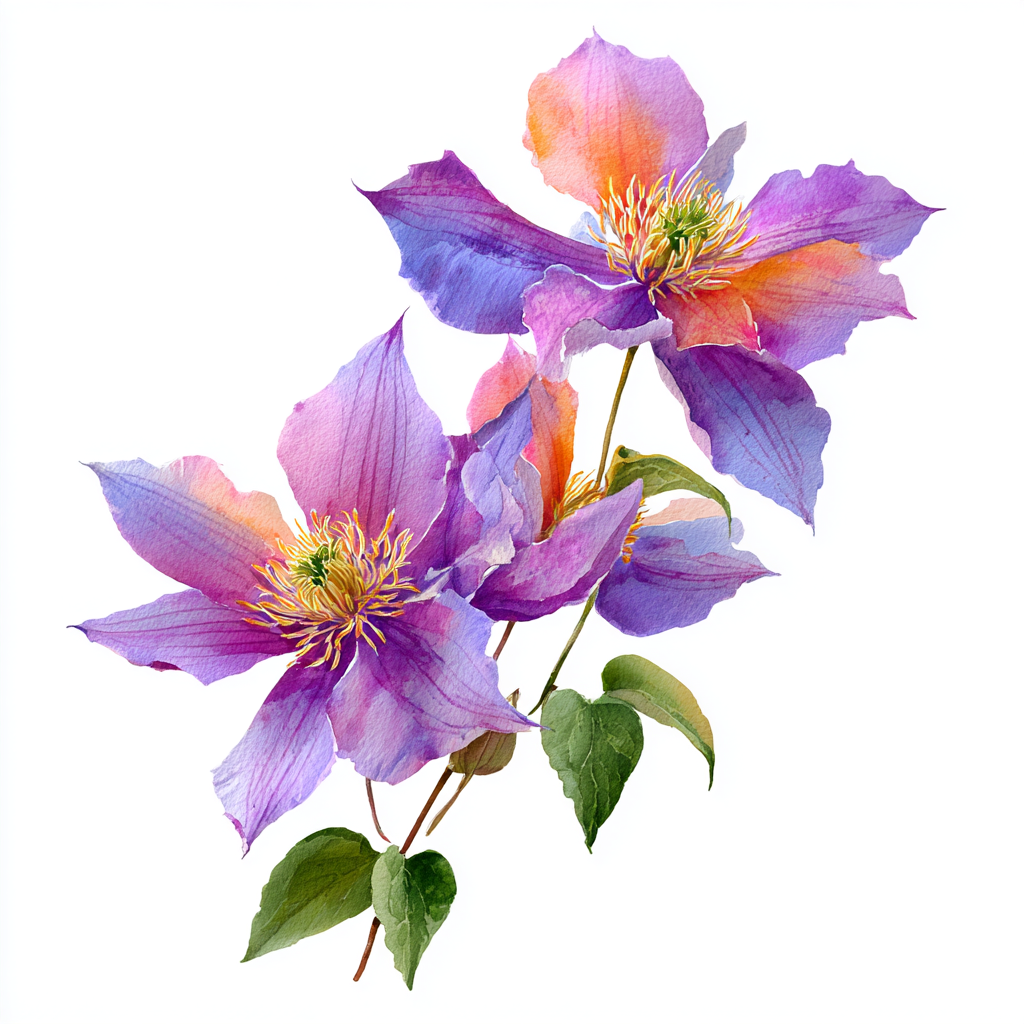
Clematis
Group: Lack of Interest in Present Circumstances
Keywords: Dreaminess, lack of presence, detachment from the here and now
Healing Qualities: Brings grounding, focus, and connection to the present moment; inspires turning dreams into reality
When to Use: For daydreamers, those prone to escapism, or people who feel life is passing them by; supportive in times of apathy or faintness
Notes: Different from Honeysuckle (which dwells on the past); Clematis is about drifting into the future or imagination instead of living in the present
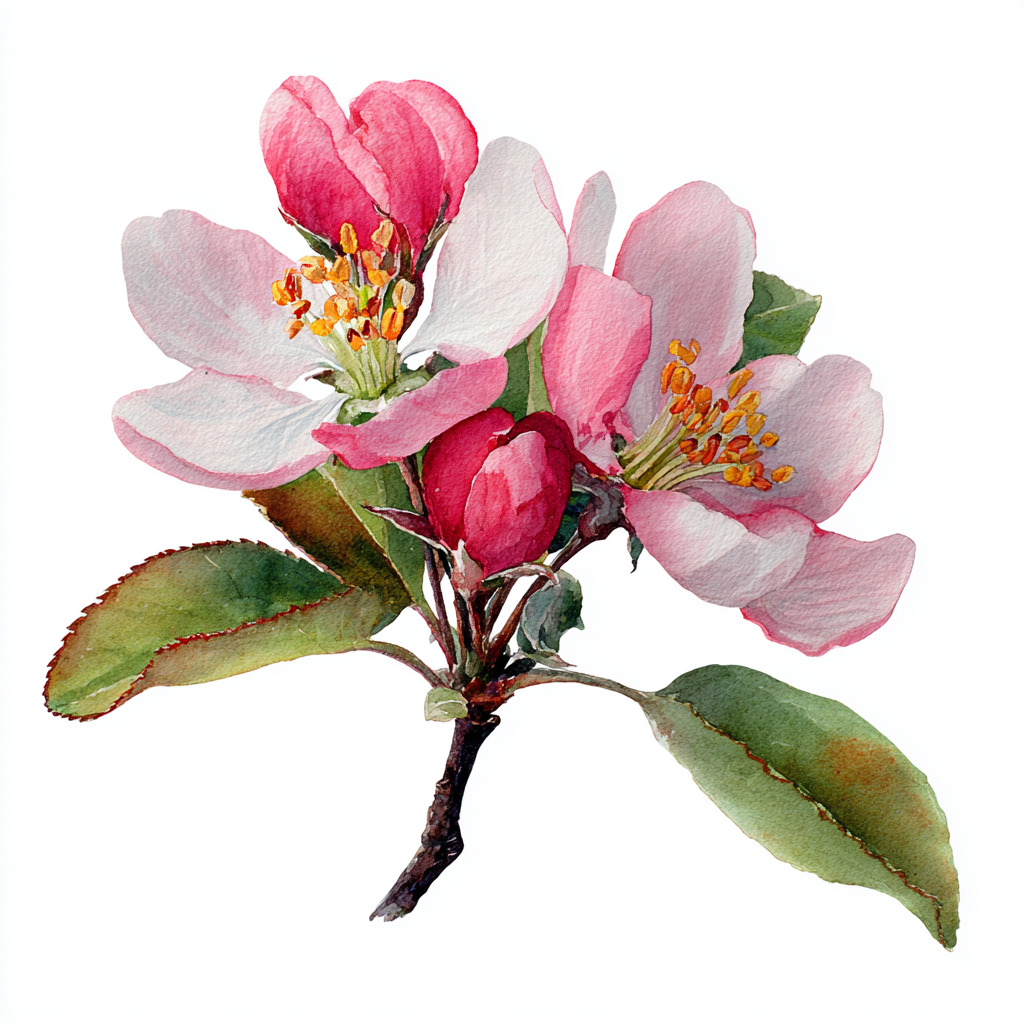
Crab Apple
Group: Despondency or Despair
Keywords: Self-disgust, shame, feelings of impurity, obsession with small imperfections
Healing Qualities: Promotes self-acceptance, cleansing, and a sense of wholeness; restores perspective and balance
When to Use: For those who feel unclean, ashamed, or overly focused on minor flaws; supportive for body-image struggles or obsessive tidiness
Notes: Known as the “cleansing remedy”; often taken after illness, trauma, or when one feels polluted physically or emotionally
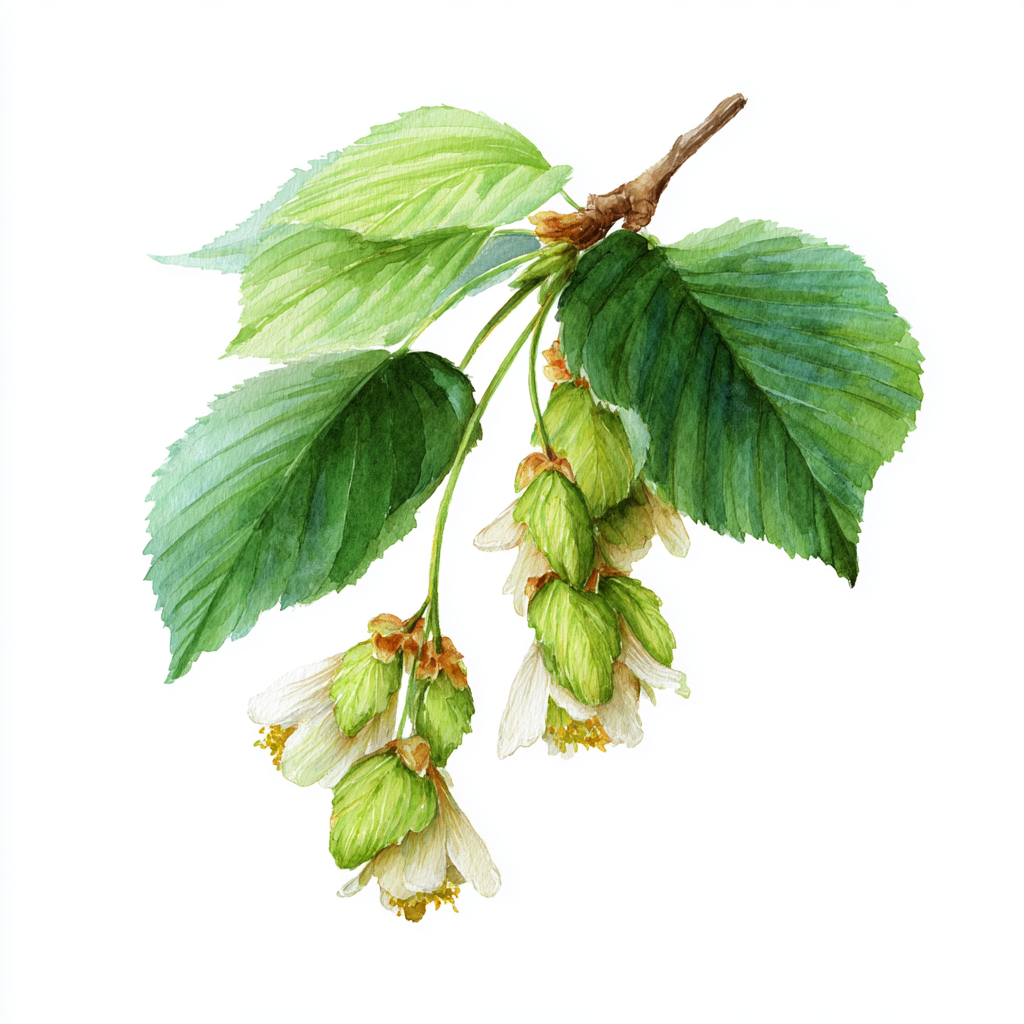
Elm
Group: Despondency or Despair
Keywords: Overwhelmed by responsibility; temporary loss of confidence under pressure
Healing Qualities: Restores strength, perspective, and ability to cope; renews confidence in one’s capacity to manage duties
When to Use: For capable, responsible people who feel temporarily crushed by too many demands; for burnout or moments of self-doubt in strong individuals
Notes: Different from Larch (which is about deep lack of confidence); Elm relates to temporary overload in otherwise confident people

Gentian
Group: Uncertainty
Keywords: Discouragement after setbacks; doubt, despondency, or loss of faith
Healing Qualities: Restores optimism, perseverance, and trust in progress; helps one see challenges as opportunities rather than failures
When to Use: For those easily disheartened by difficulties or who give up too soon; supportive for depression after disappointments or delays
Notes: Different from Gorse (which is deep hopelessness); Gentian is more about temporary discouragement or skepticism
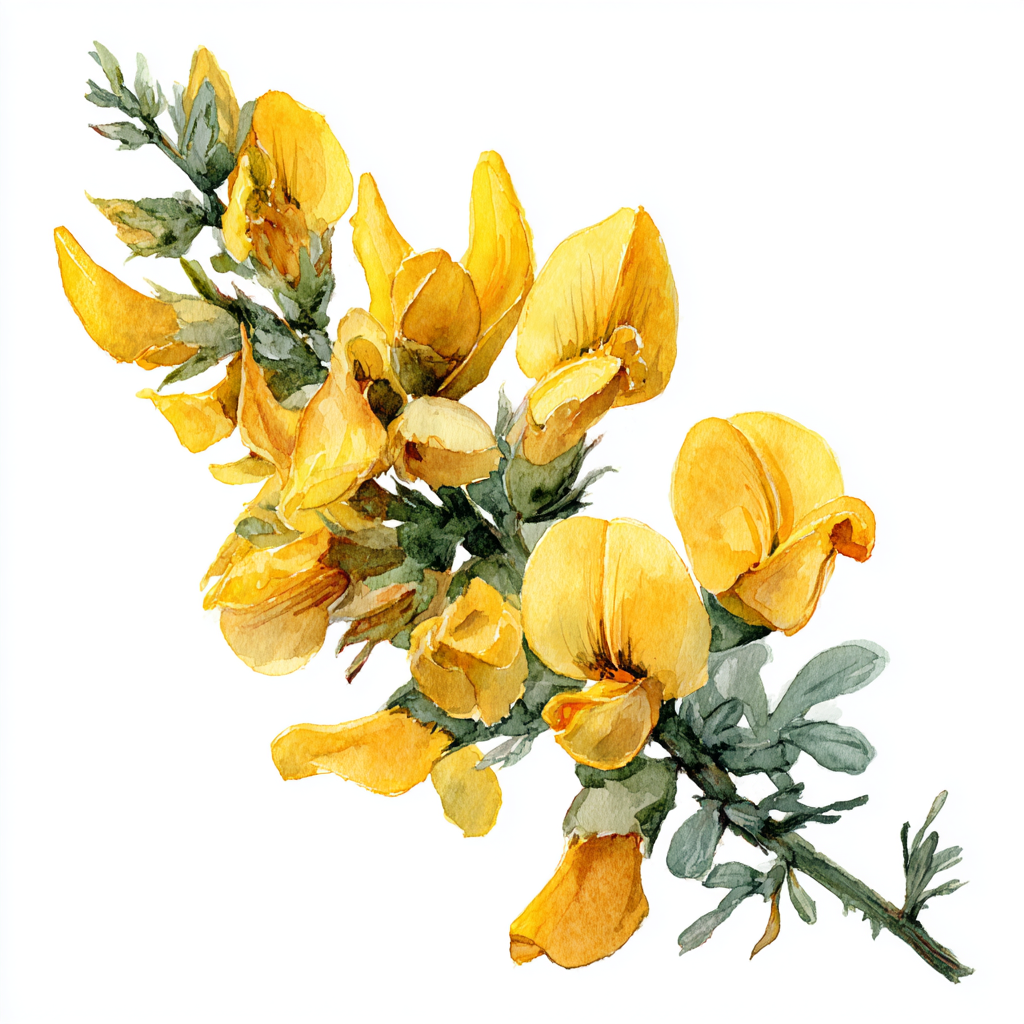
Gorse
Group: Uncertainty
Keywords: Hopelessness, despair, resignation; belief that nothing can improve
Healing Qualities: Brings renewed hope, light, and perseverance; encourages faith in recovery and positive outcomes
When to Use: For those who feel situations are hopeless, who have given up or resigned themselves to suffering; often helpful in chronic illness or long struggles
Notes: Stronger and deeper than Gentian; where Gentian is temporary discouragement, Gorse reflects deep hopelessness

Heather
Group: Loneliness
Keywords: Self-absorption, excessive talkativeness, craving attention
Healing Qualities: Cultivates empathy, connection, and the ability to listen; helps turn outward toward others with balance
When to Use: For those who dominate conversations with their own concerns, or who feel desperate to be heard and avoid loneliness
Notes: Supports healthy communication and balance between speaking and listening
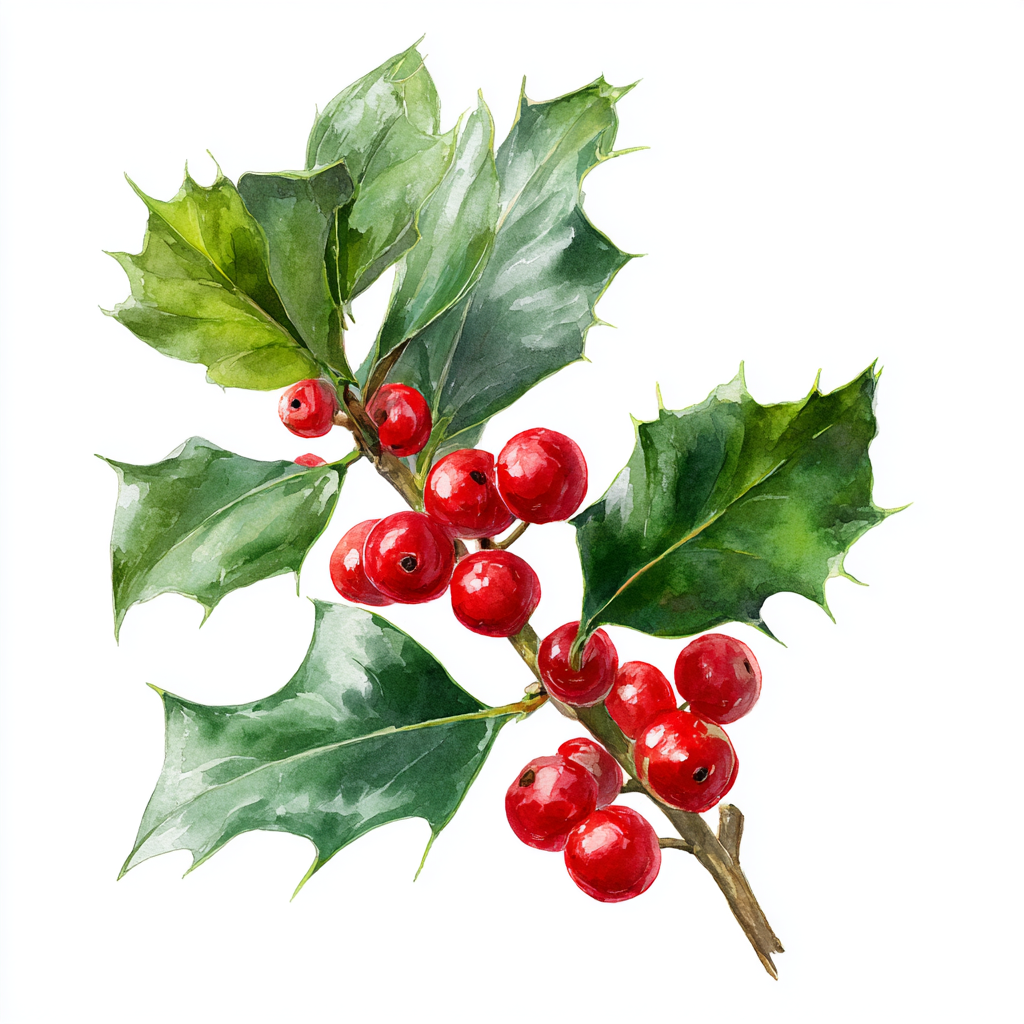
Holly
Group: Oversensitivity to Influences and Ideas
Keywords: Anger, jealousy, envy, hatred, suspicion
Healing Qualities: Opens the heart to love, forgiveness, and generosity; transforms negative emotions into compassion and understanding
When to Use: For states of jealousy, envy, suspicion, or hostility toward others; when feeling closed off from love
Notes: Known as the essence of love; restores the heart’s natural warmth and openness
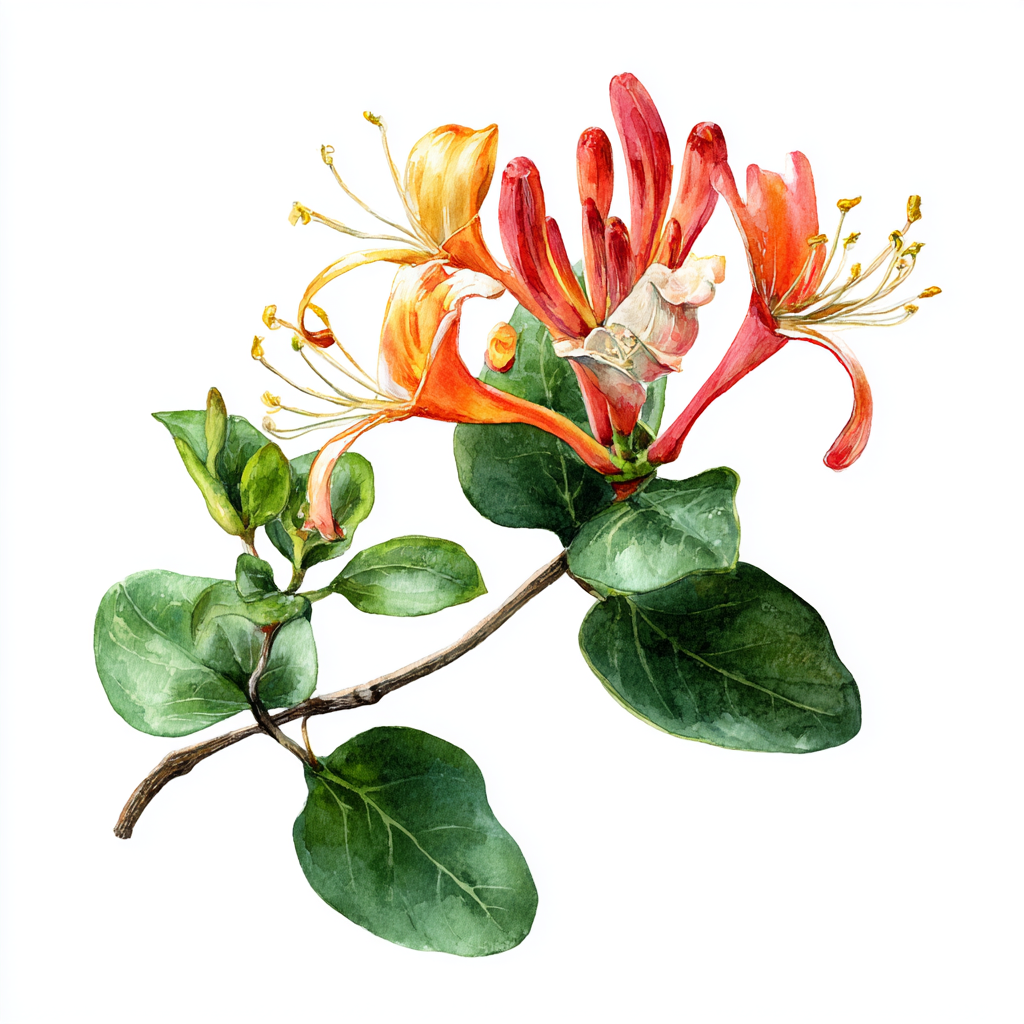
Honeysuckle
Group: Lack of Interest in Present Circumstances
Keywords: Dwelling on the past; nostalgia, regret, longing for “what was”
Healing Qualities: Brings acceptance, presence, and ability to live in the here and now; helps one draw strength from the past without clinging to it
When to Use: For those who idealize the past, feel stuck in old memories, or are unable to move forward after loss or change
Notes: Complements Clematis (which drifts into the future); Honeysuckle is about being trapped in the past

Hornbeam
Group: Uncertainty
Keywords: Mental fatigue, “Monday morning feeling,” procrastination
Healing Qualities: Restores vitality, mental strength, and enthusiasm; brings freshness and energy to tasks at hand
When to Use: For procrastination, weariness, or reluctance to start work; especially when energy returns once the task begins
Notes: Good for students or anyone overwhelmed by routine demands but not truly exhausted (unlike Olive, which is for total fatigue)

Impatiens
Group: Loneliness
Keywords: Impatience, irritability, intolerance of slowness
Healing Qualities: Cultivates patience, gentleness, and ease with others; helps one move with calm rhythm rather than constant rush
When to Use: For those who are quick, restless, or easily frustrated with delays; often helpful for tension or stress-related conditions
Notes: One of the original remedies chosen by Dr. Bach; included in Rescue Remedy for its ability to soften stress and restore calm
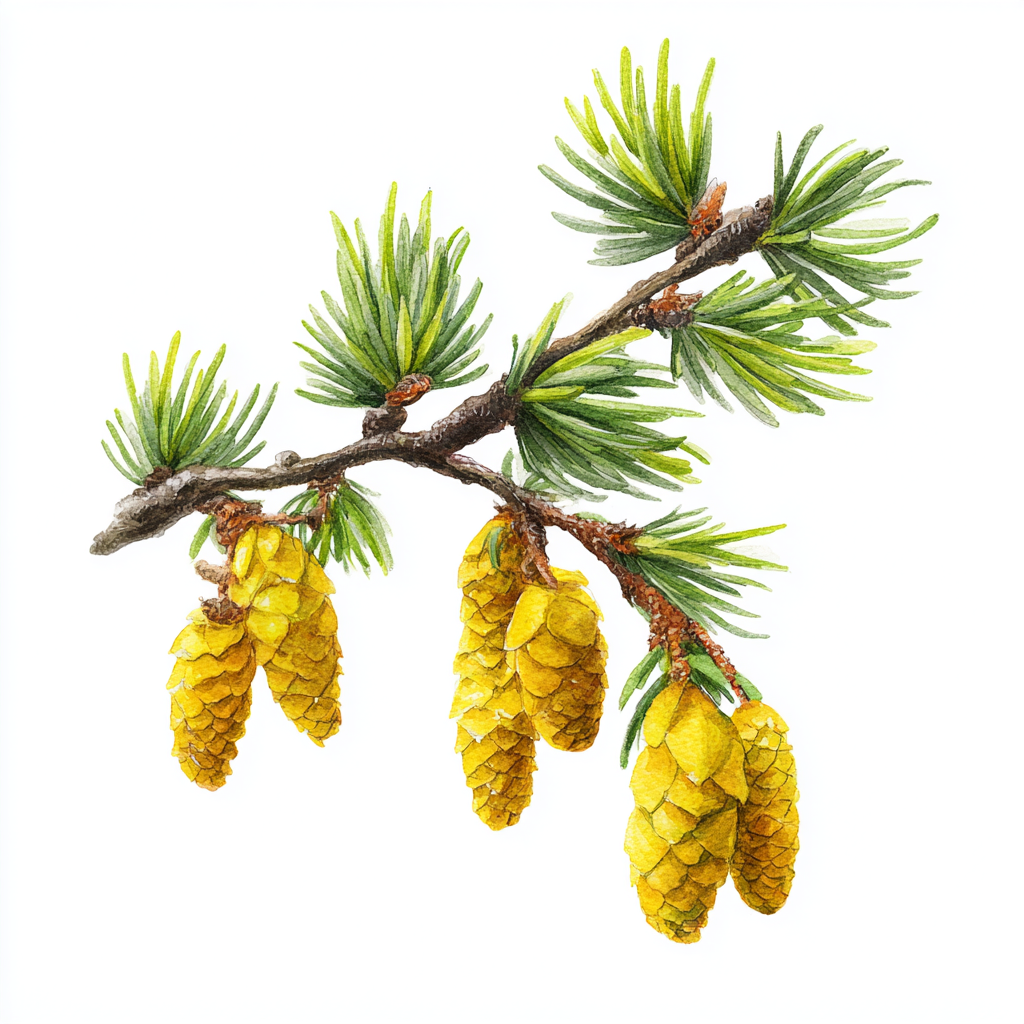
Larch
Group: Despondency or Despair
Keywords: Lack of confidence, expectation of failure, feelings of inferiority
Healing Qualities: Builds confidence, self-belief, and willingness to try; restores a sense of capability and courage to take risks
When to Use: For those who hold back out of fear of failing, or who believe others are more talented; for self-limiting beliefs
Notes: Different from Elm (temporary overwhelm in capable people); Larch is a deep-rooted lack of confidence
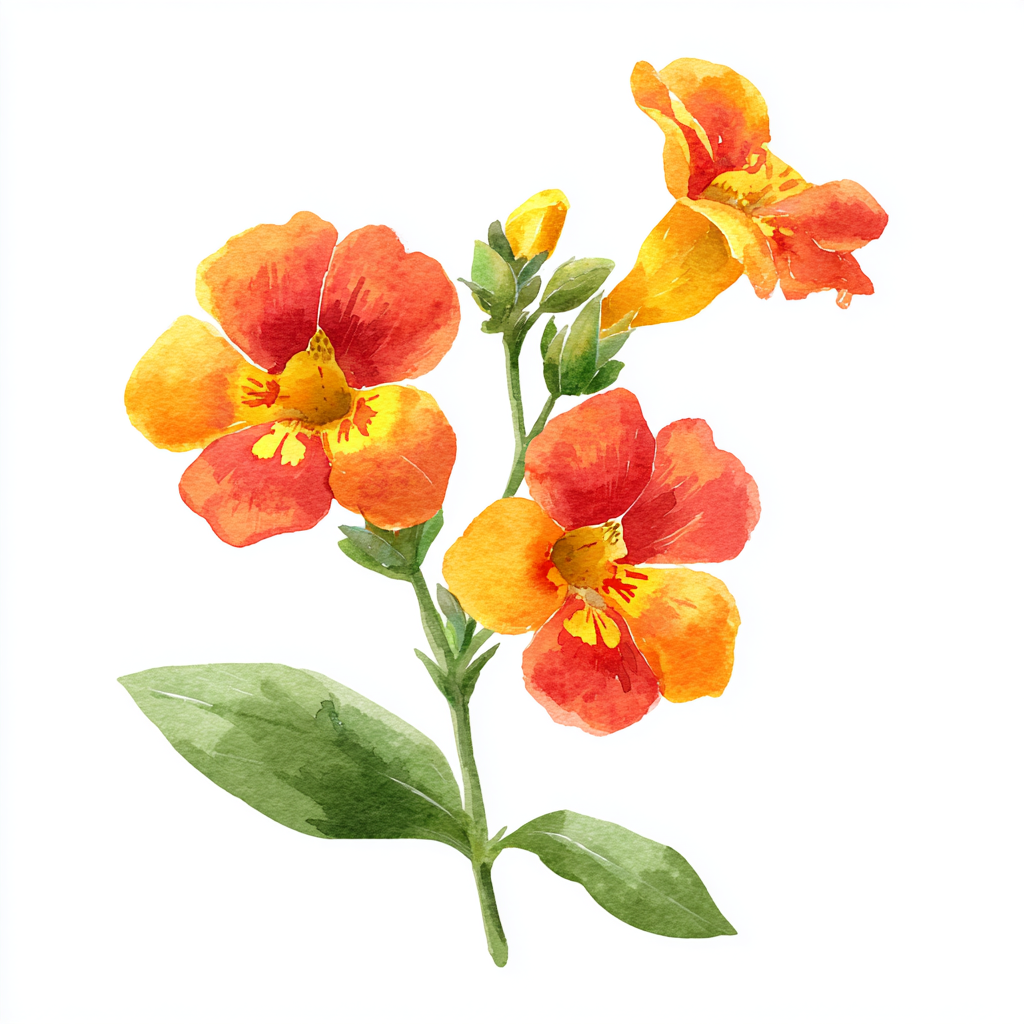
Mimulus
Group: Fear
Keywords: Fear of known things — illness, poverty, accidents, darkness, death, animals, public speaking
Healing Qualities: Brings quiet courage, trust, and the ability to face specific fears calmly
When to Use: For shy, sensitive, or nervous personalities; helpful when specific, identifiable fears are holding one back
Notes: Complements Aspen (fear of unknown things); Mimulus is for concrete, named fears
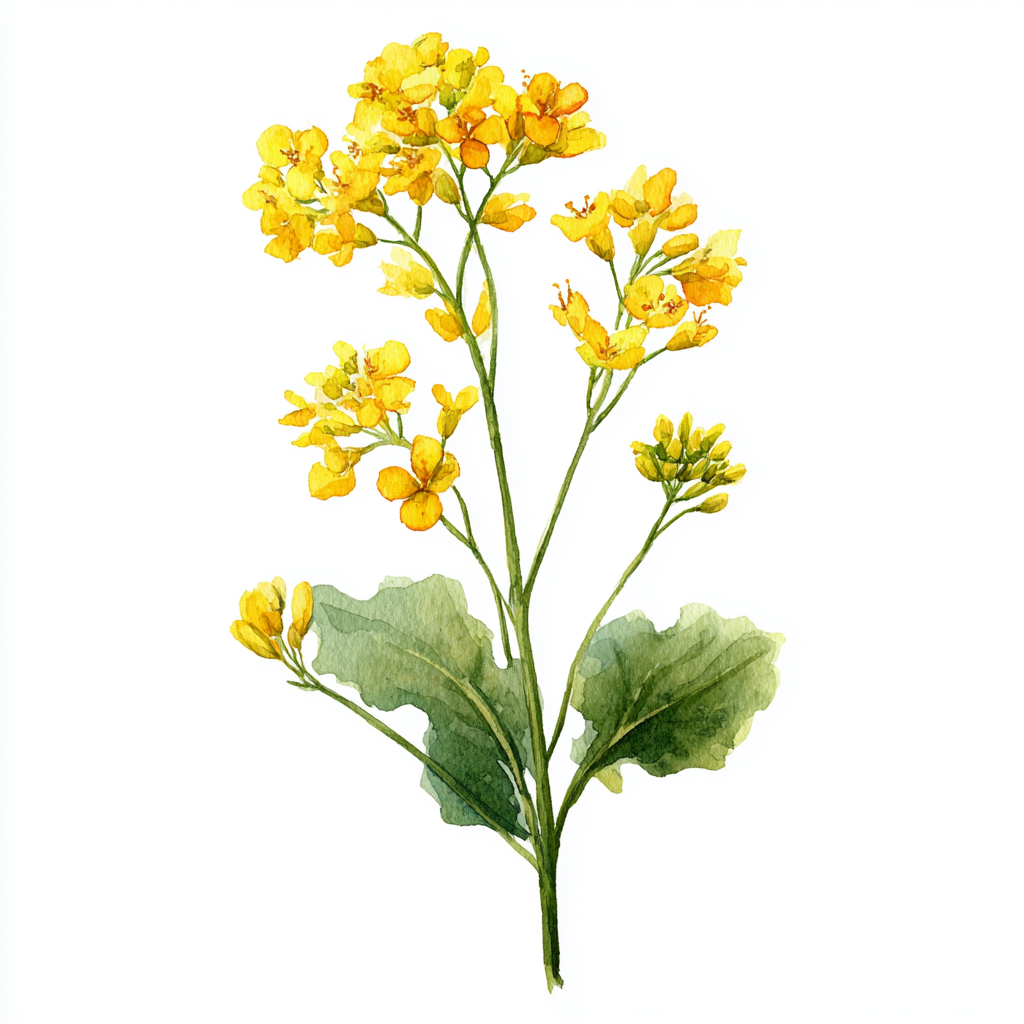
Mustard
Group: Lack of Interest in Present Circumstances
Keywords: Deep gloom or depression with no known cause; comes and goes like a cloud
Healing Qualities: Brings inner stability, light, and joy; restores connection to inner peace even during dark moods
When to Use: For sudden, overwhelming depression that descends without explanation and lifts just as mysteriously
Notes: Unique in addressing “endogenous” depression — not tied to external circumstances
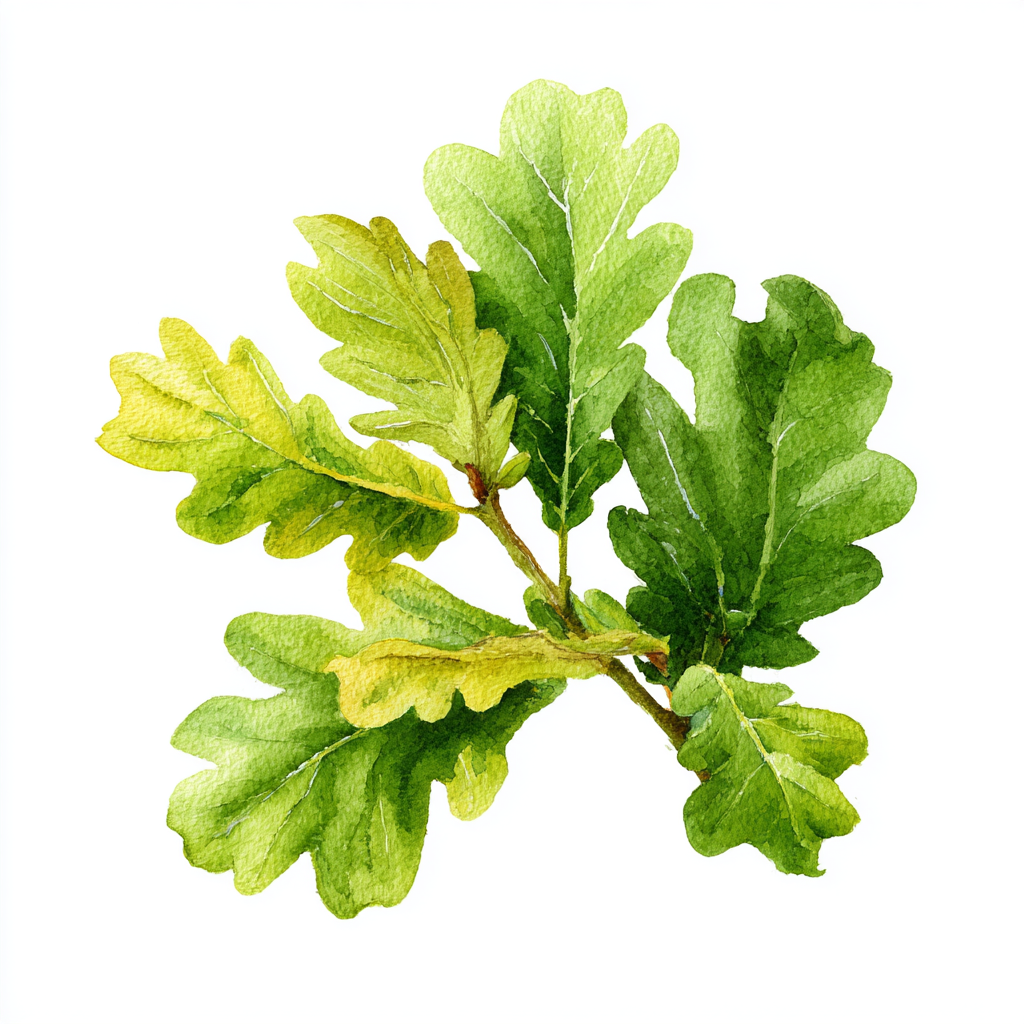
Oak
Group: Despondency or Despair
Keywords: Overwork, relentless perseverance, exhaustion but refusal to rest
Healing Qualities: Brings balance, resilience, and wisdom to know when to persist and when to pause; encourages sustainable strength
When to Use: For those who never give up despite exhaustion, who push through fatigue out of duty or responsibility
Notes: Different from Elm (temporary overwhelm) and Olive (total depletion); Oak describes chronic overexertion without surrender

Olive
Group: Lack of Interest in Present Circumstances
Keywords: Complete mental, emotional, and physical exhaustion
Healing Qualities: Restores vitality, renewal, and recovery; replenishes life-force after prolonged effort or illness
When to Use: For burnout, convalescence, or extreme fatigue after hard work or stress; when rest no longer feels restorative
Notes: Unlike Hornbeam (which is mental fatigue before starting a task), Olive is for total depletion after sustained effort
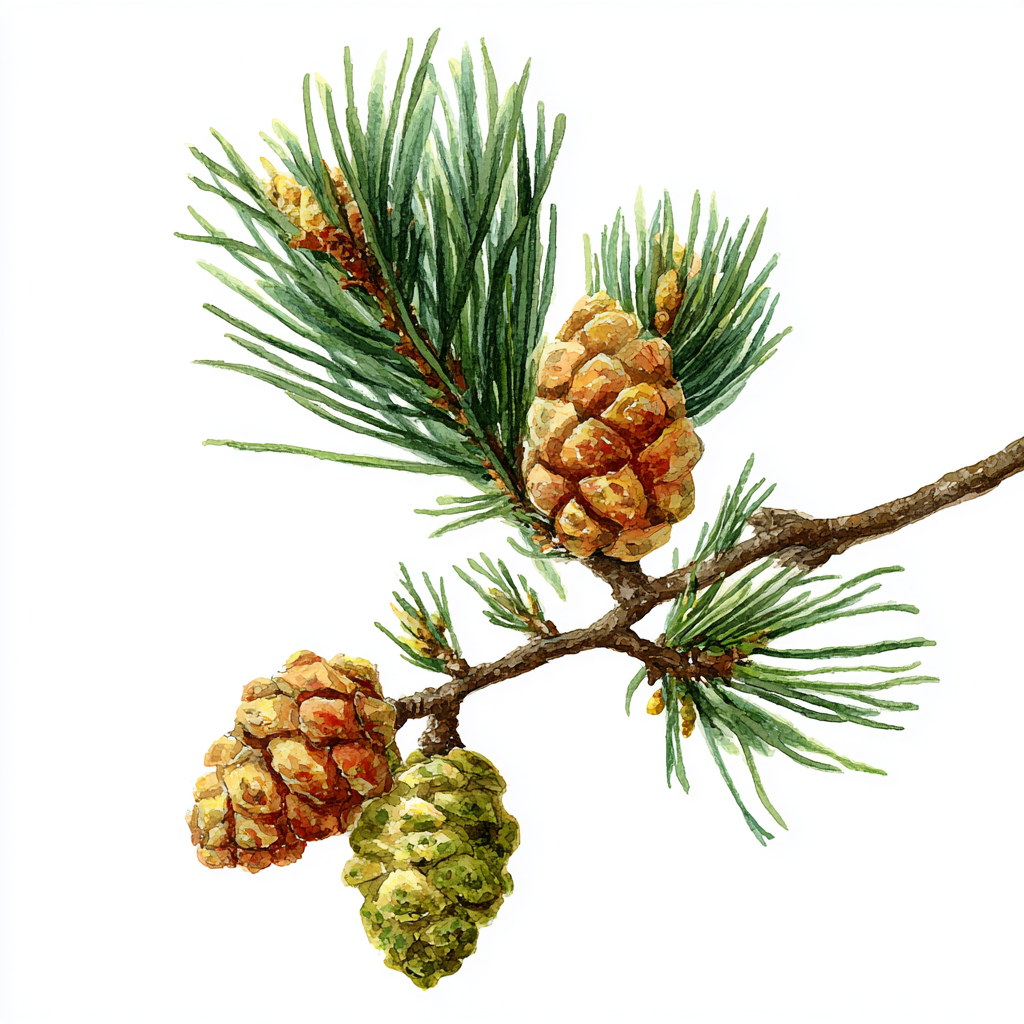
Pine
Group: Despondency or Despair
Keywords: Guilt, self-blame, chronic self-reproach
Healing Qualities: Cultivates forgiveness, self-acceptance, and balance; helps release unnecessary guilt and recognize true responsibility
When to Use: For those who apologize excessively, feel unworthy, or take responsibility for others’ mistakes
Notes: Often supportive in trauma recovery, where survivors wrongly blame themselves
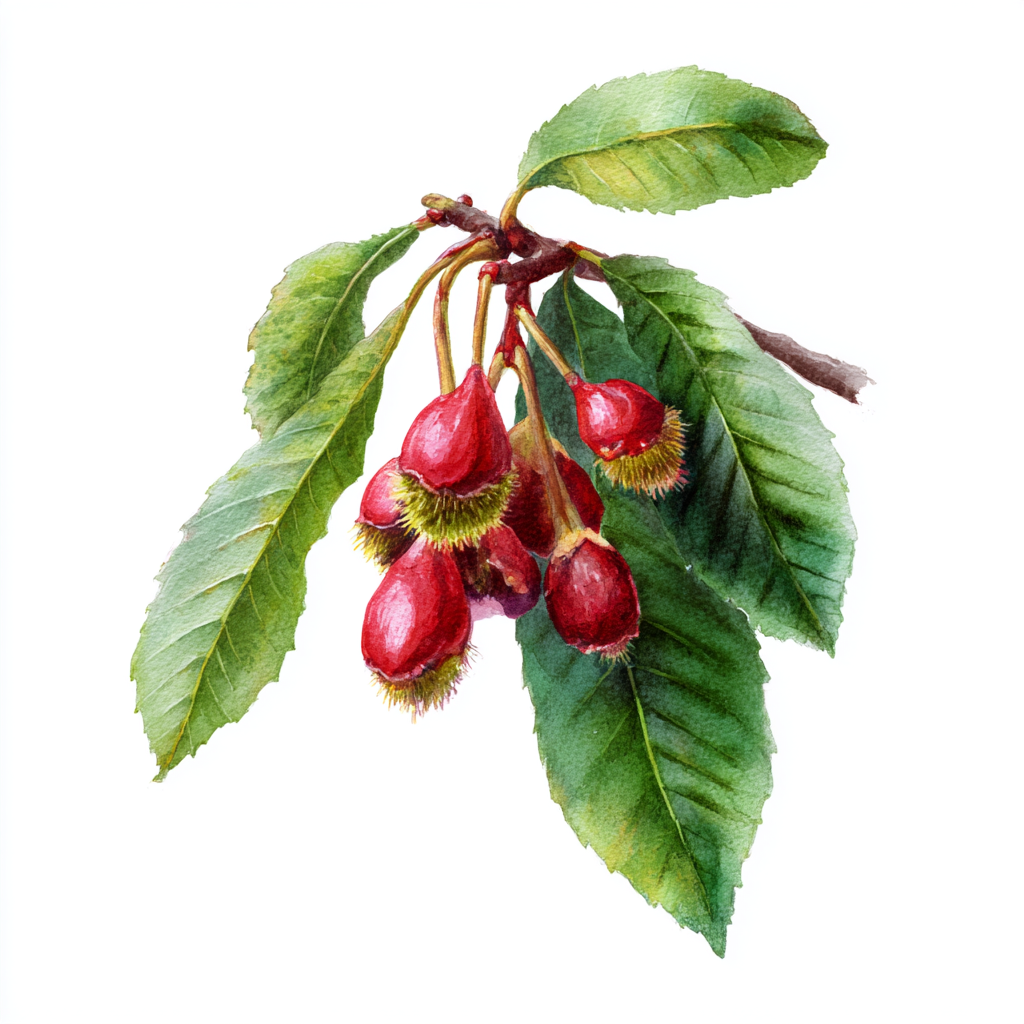
Red Chestnut
Group: Fear
Keywords: Excessive worry or fear for the safety of loved ones
Healing Qualities: Brings calm, trust, and the ability to care without projecting fear; fosters confidence in others’ strength and life’s natural flow
When to Use: For parents, partners, or carers who constantly imagine harm befalling loved ones; for those whose anxiety over others becomes draining
Notes: Balances compassion with trust, allowing love without fear

Rock Rose
Group: Fear
Keywords: Terror, panic, extreme fright, hysteria
Healing Qualities: Instills courage, calm, and presence of mind; supports steadiness in emergencies
When to Use: For acute fear states — accidents, sudden illness, nightmares, or moments of sheer panic
Notes: One of the five remedies in Rescue Remedy for its stabilizing effect in crises

Rock Water
Group: Overcare for the Welfare of Others
Keywords: Rigidity, self-denial, perfectionism, inflexibility
Healing Qualities: Encourages adaptability, self-compassion, and joy; softens rigid ideals into flowing balance
When to Use: For those who set impossibly high standards for themselves, deny themselves pleasure, or live by strict discipline
Notes: Unlike all other remedies, Rock Water is not derived from a plant but from pure spring water; it helps release rigidity and welcome life’s natural ease
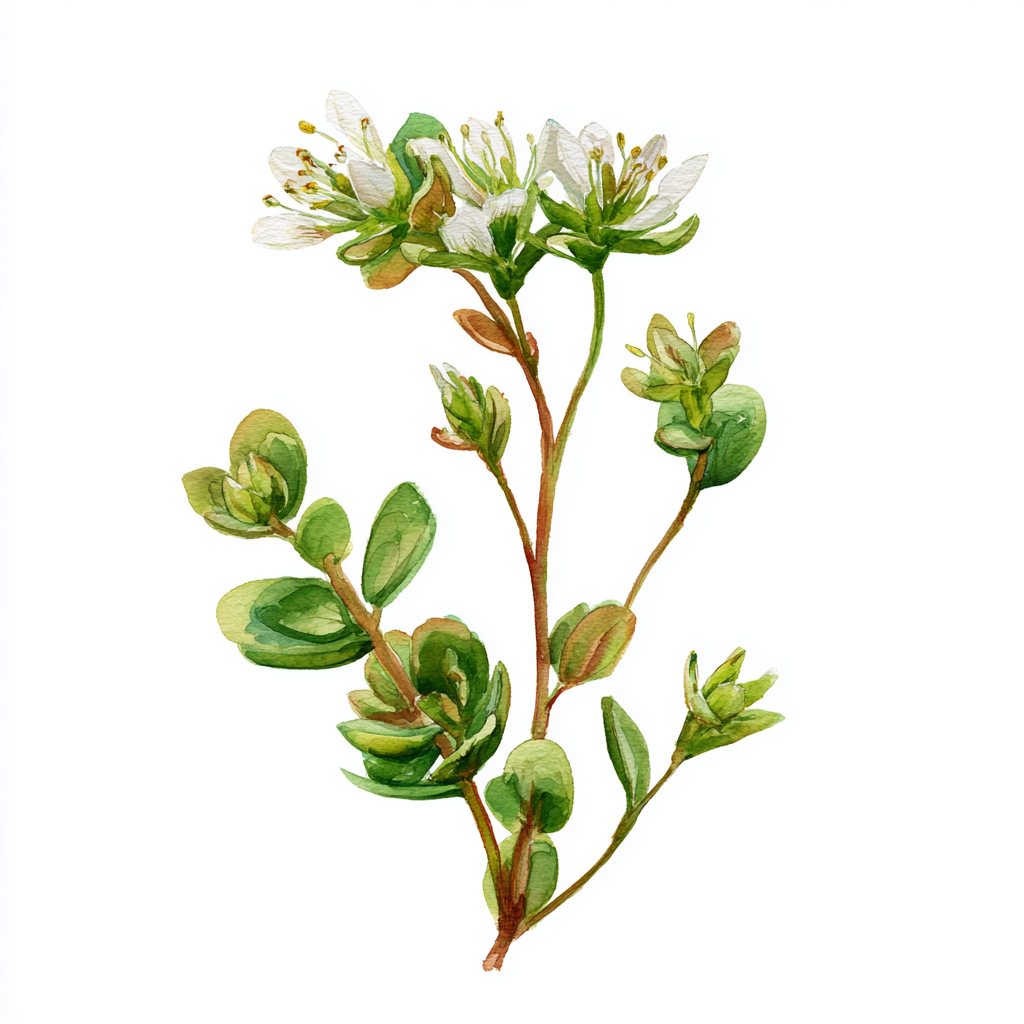
Scleranthus
Group: Uncertainty
Keywords: Indecision, inner conflict, mood swings
Healing Qualities: Brings inner balance, clarity, and decisiveness; fosters the ability to choose without hesitation
When to Use: For those who vacillate between options, struggle with making decisions, or feel emotionally up and down
Notes: Different from Cerato (which seeks advice from others); Scleranthus is about inner conflict and wavering
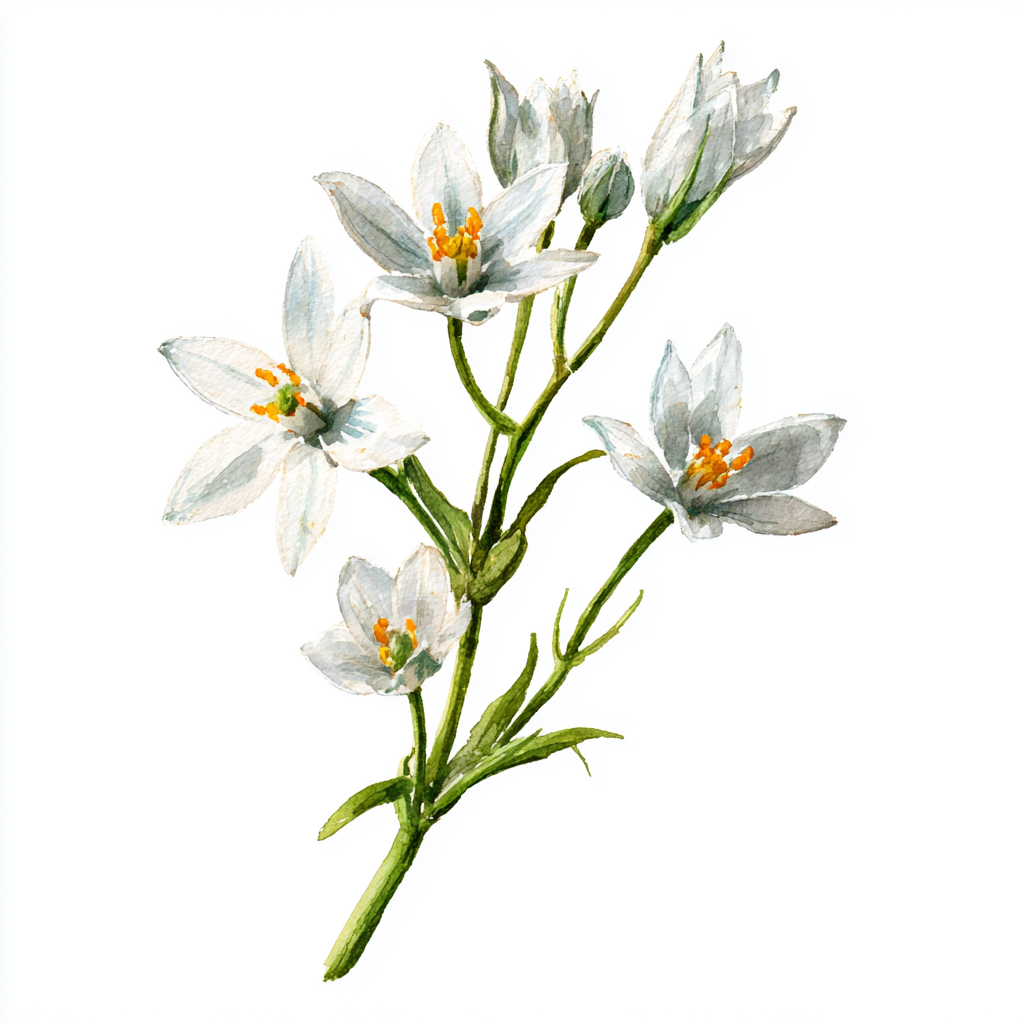
Star of Bethlehem
Group: Despondency or Despair
Keywords: Shock, trauma, grief — past or present
Healing Qualities: Provides comfort, healing, and integration after shock or trauma; restores inner wholeness
When to Use: For grief, loss, accidents, bad news, or unresolved trauma — whether recent or long past
Notes: A key remedy in Rescue Remedy; known as “the comforter and soother of pains”
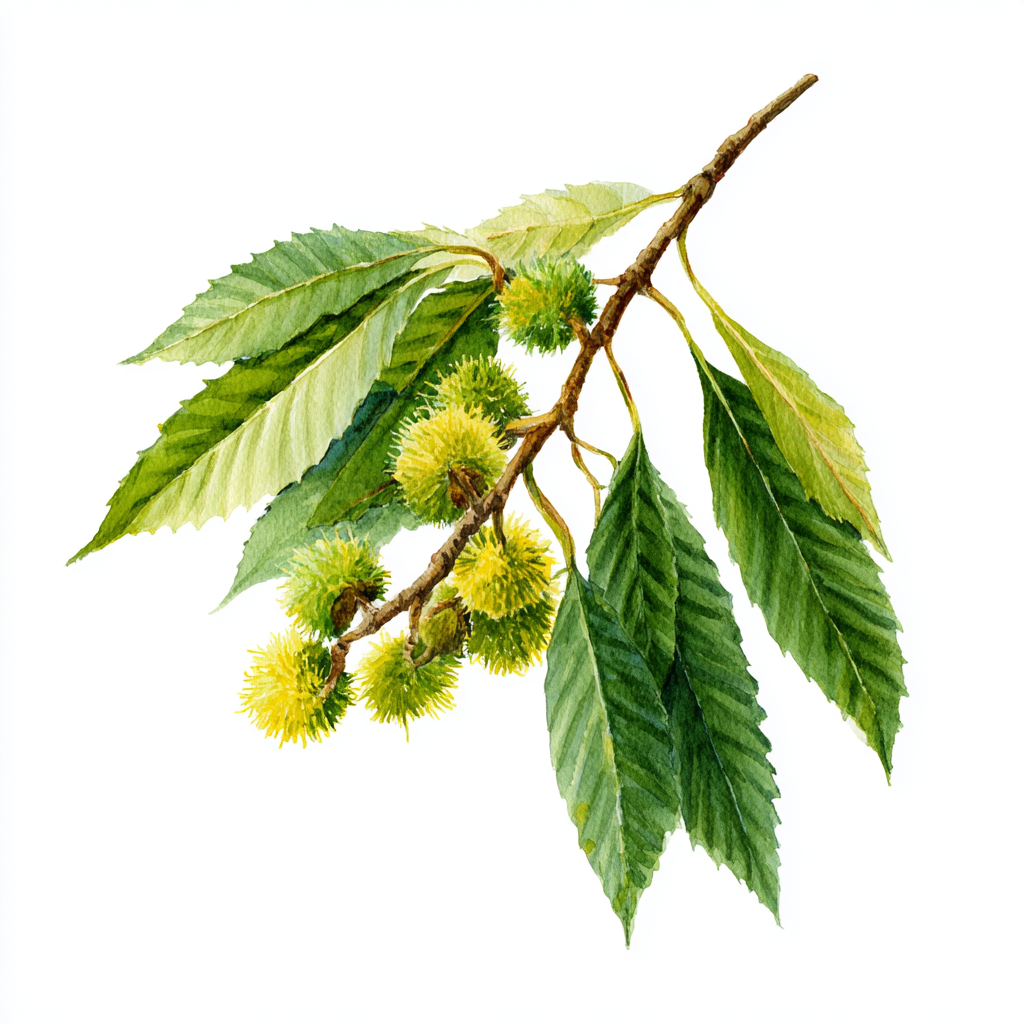
Sweet Chestnut
Group: Despondency or Despair
Keywords: Extreme anguish, “dark night of the soul,” sense of reaching the breaking point
Healing Qualities: Brings spiritual renewal, release, and inner peace; helps one endure the darkest hours and move toward transformation
When to Use: For those at the limits of endurance, facing despair, or feeling there is no way out
Notes: Considered one of the most profound remedies; helps when one has reached absolute inner darkness before rebirth
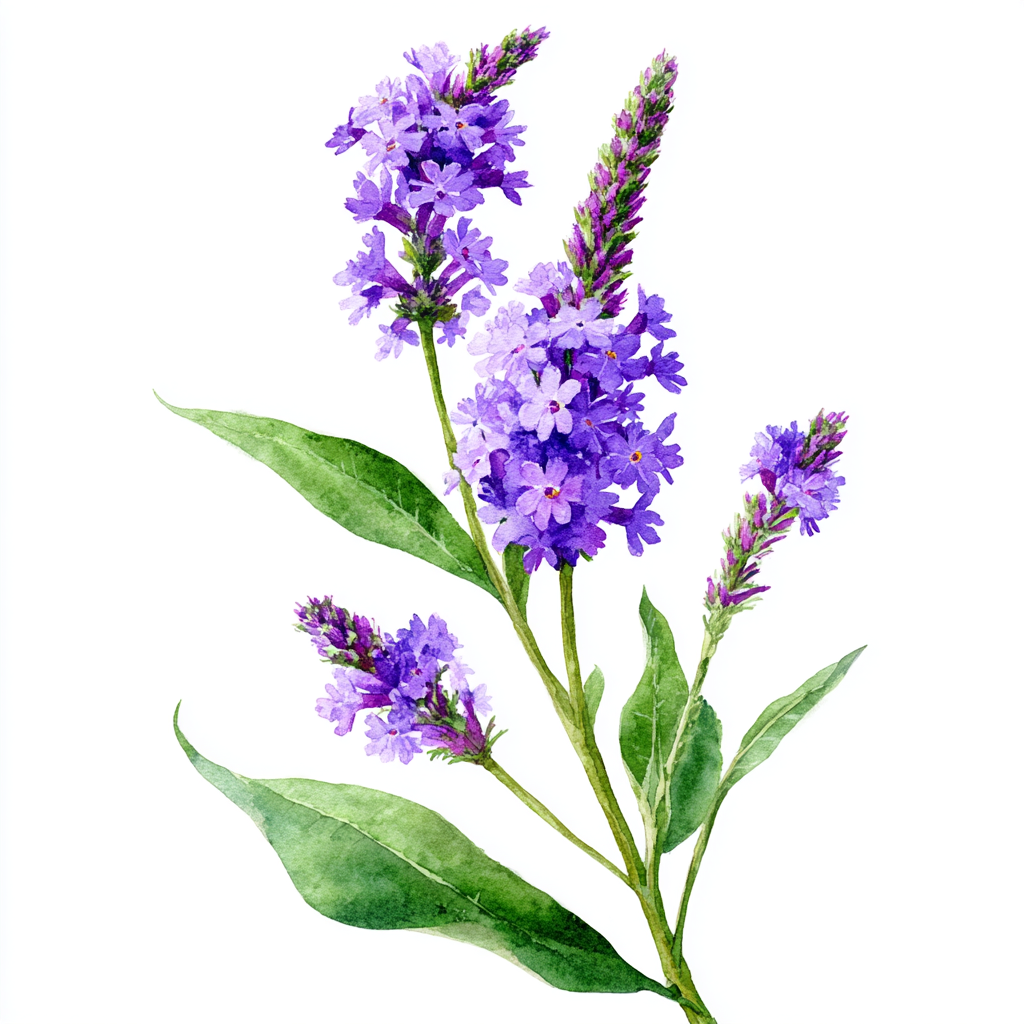
Vervain
Group: Overcare for the Welfare of Others
Keywords: Over-enthusiasm, fanaticism, stress from trying to convert others
Healing Qualities: Encourages relaxation, tolerance, and balance; helps channel passion in healthy, sustainable ways
When to Use: For those who push themselves or others too hard in pursuit of a cause; when enthusiasm turns to tension or burnout
Notes: Good for idealists, reformers, or those who cannot “switch off” from their convictions
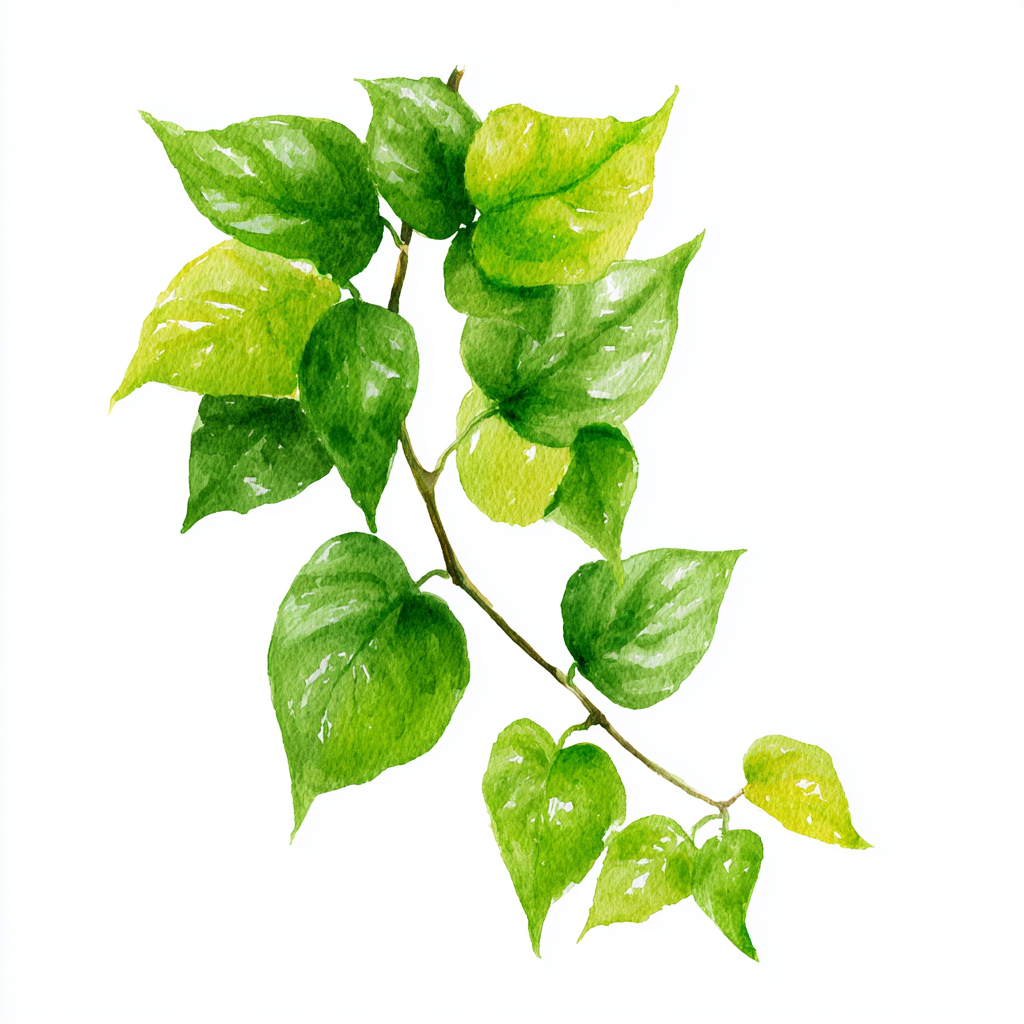
Vine
Group: Overcare for the Welfare of Others
Keywords: Dominance, control, authoritarianism
Healing Qualities: Cultivates respect, leadership through service, and the ability to inspire rather than dominate
When to Use: For strong-willed individuals who impose their will on others; for harsh leaders or those intolerant of differing views
Notes: Vine transforms power from domination into wise, compassionate guidance
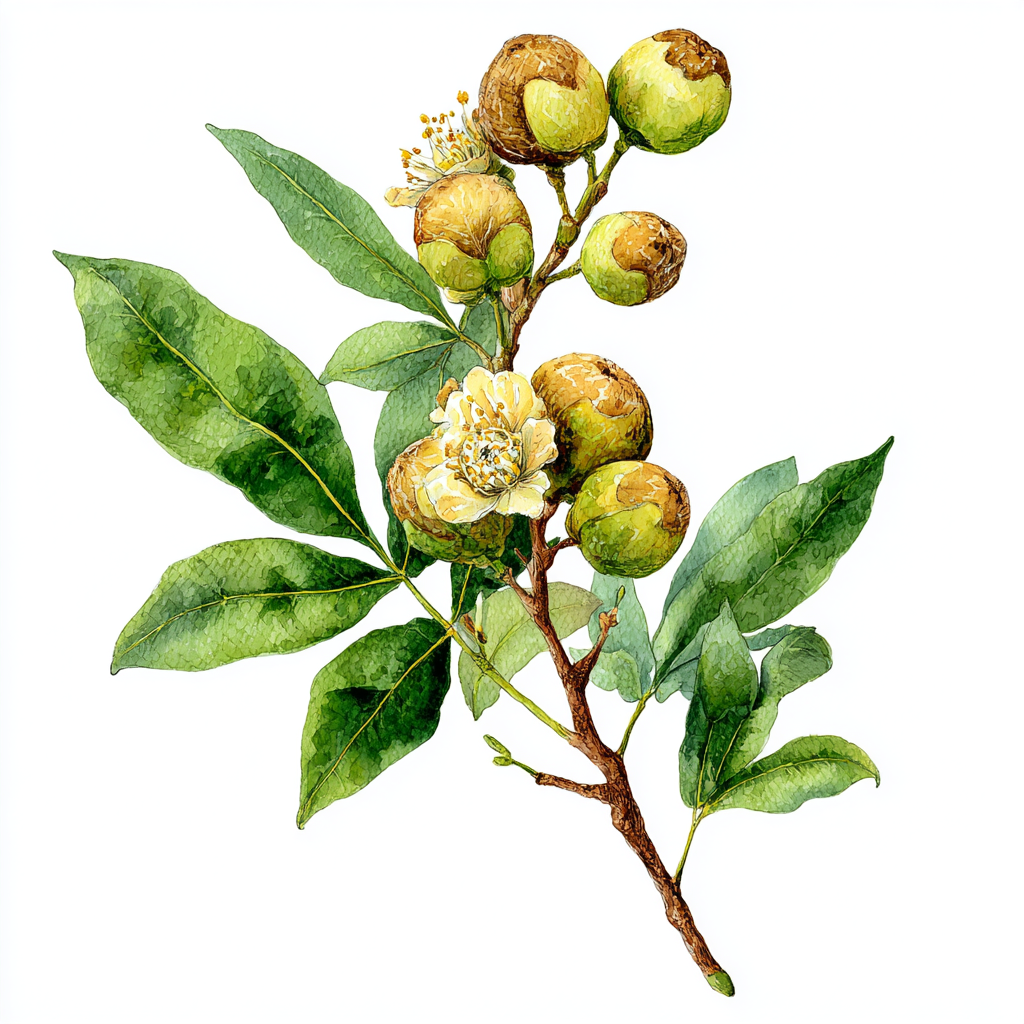
Walnut
Group: Oversensitivity to Influences and Ideas
Keywords: Vulnerability to outside influence, difficulty adapting to change
Healing Qualities: Brings inner stability, protection, and adaptability; supports staying true to one’s path during transitions
When to Use: For times of major life change (puberty, pregnancy, menopause, moving, career shifts); for those easily swayed by others’ opinions
Notes: Known as the “breaker of chains” — helps release the past and step forward freely
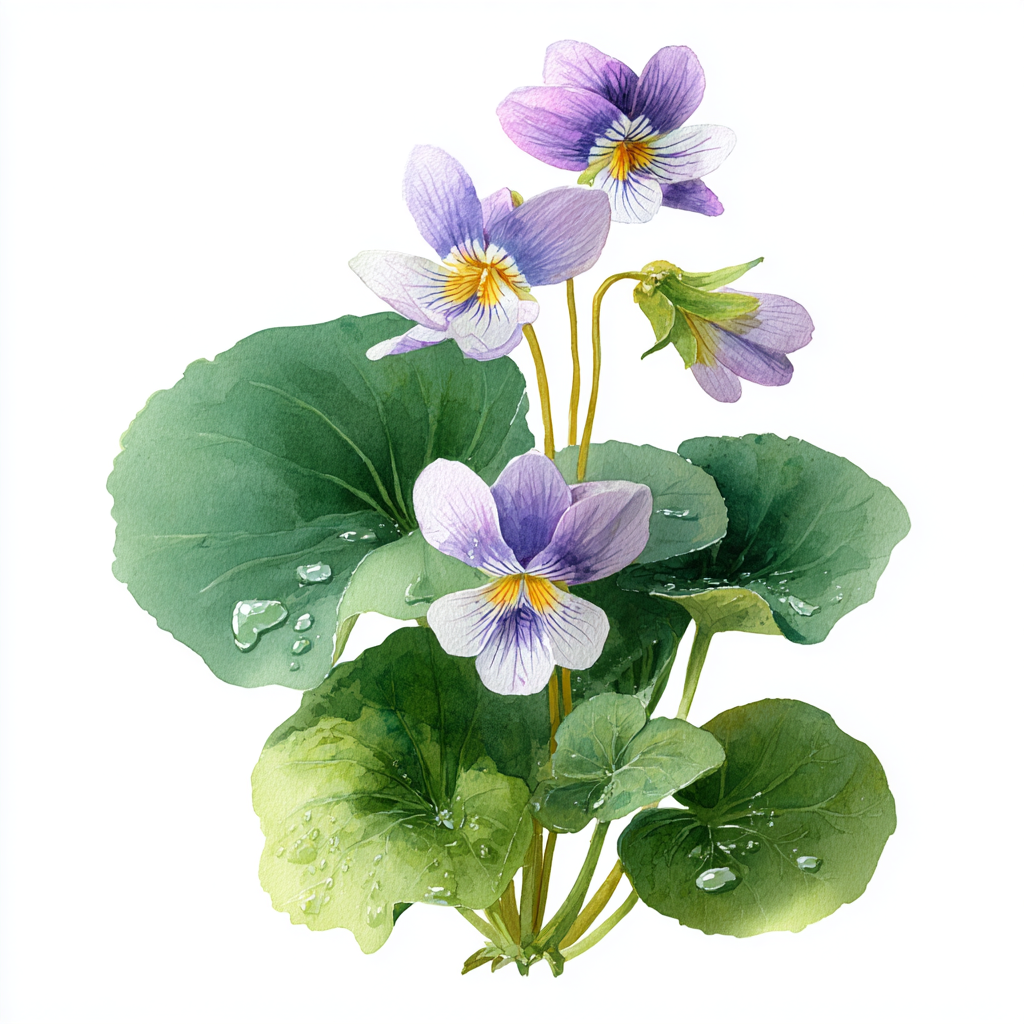
Water Violet
Group: Loneliness
Keywords: Aloofness, pride, emotional distance, isolation
Healing Qualities: Encourages openness, connection, and humility; allows sharing wisdom while remaining gentle and approachable
When to Use: For independent, private people who avoid closeness or seem detached; often wise but lonely individuals
Notes: Balances dignity with warmth, so one can connect without losing individuality
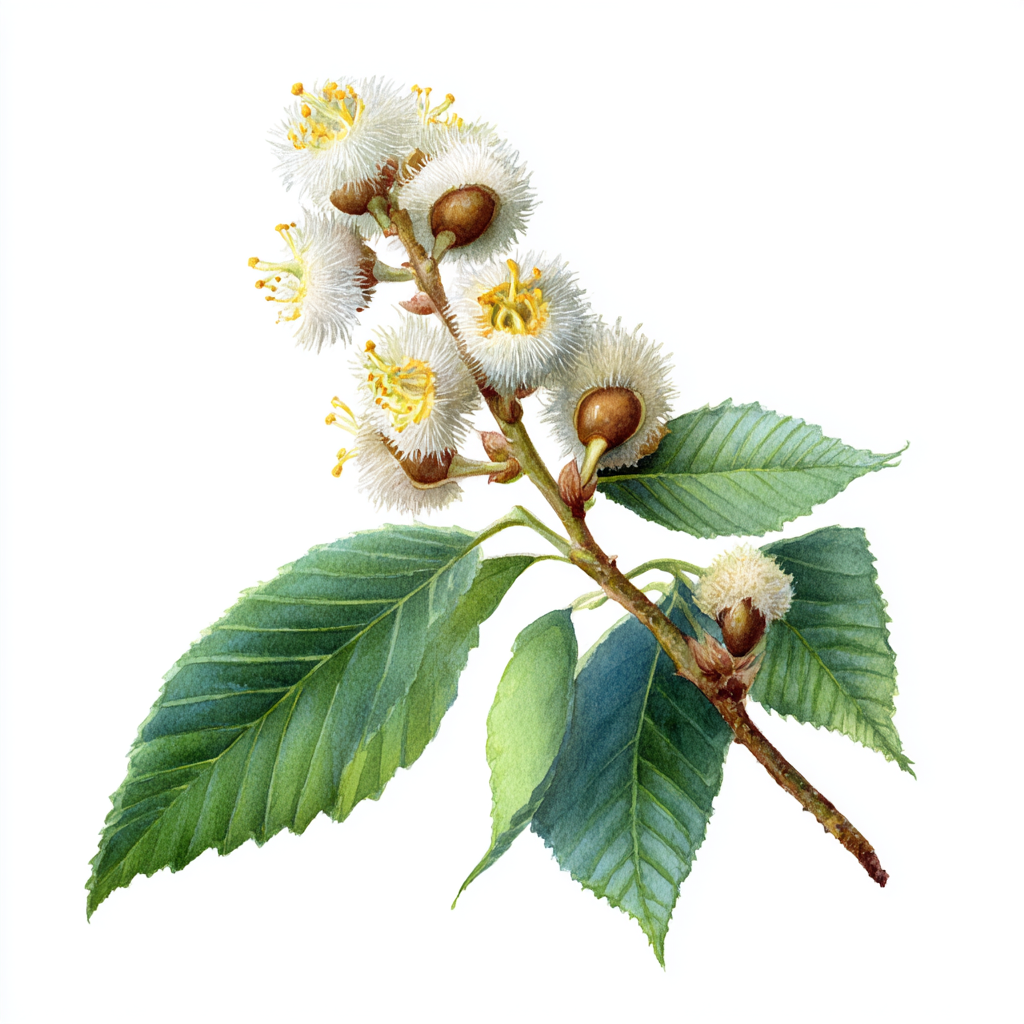
White Chestnut
Group: Lack of Interest in Present Circumstances
Keywords: Persistent, unwanted thoughts; mental chatter and worry
Healing Qualities: Brings peace of mind, clarity, and calm; helps still looping thoughts so focus returns
When to Use: For insomnia, mental overactivity, or recurring worries that play on repeat
Notes: Known as the remedy for mental quietude — allowing space for rest and insight
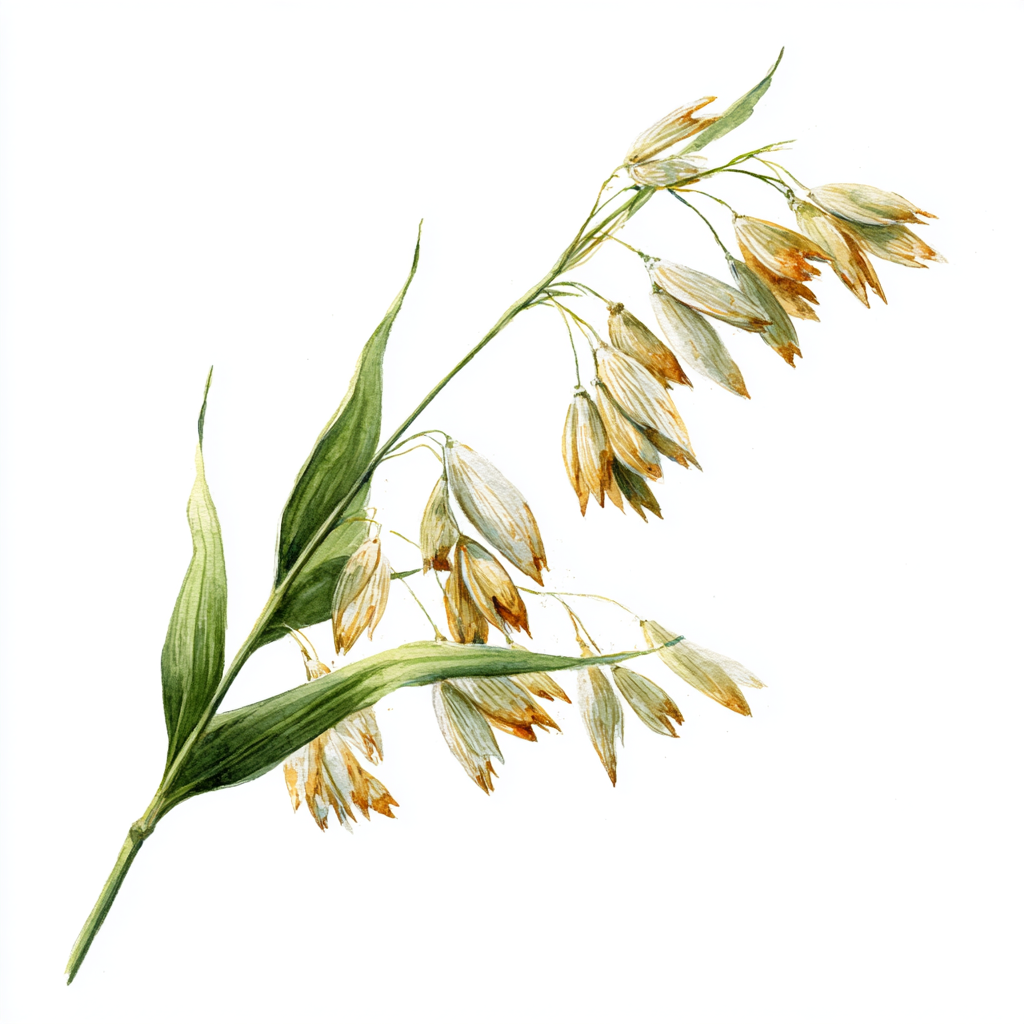
Wild Oat
Group: Uncertainty
Keywords: Lack of direction, uncertainty about life purpose, dissatisfaction
Healing Qualities: Brings clarity, vocation, and sense of direction; supports aligning with one’s true calling
When to Use: For crossroads in life, career indecision, or feelings of drifting without purpose
Notes: Especially helpful in times of transition — e.g. choosing career, path, or major life direction
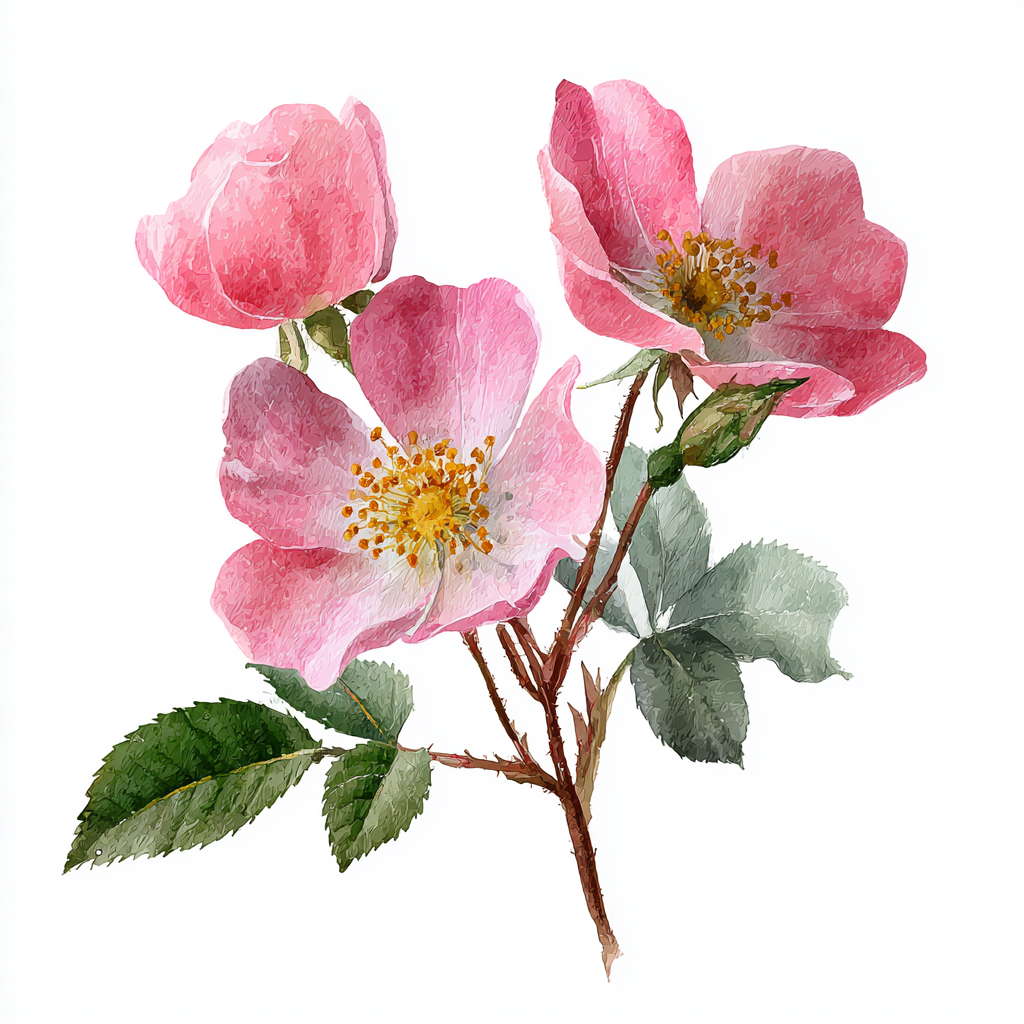
Wild Rose
Group: Lack of Interest in Present Circumstances
Keywords: Apathy, resignation, lack of motivation, surrender to life without joy
Healing Qualities: Rekindles vitality, enthusiasm, and interest in life; restores a sense of purpose and gentle determination
When to Use: For times of drifting passively through life, feeling resigned to circumstances, or lacking motivation to engage fully
Notes: Known as the remedy for awakening inner spark and joy in living
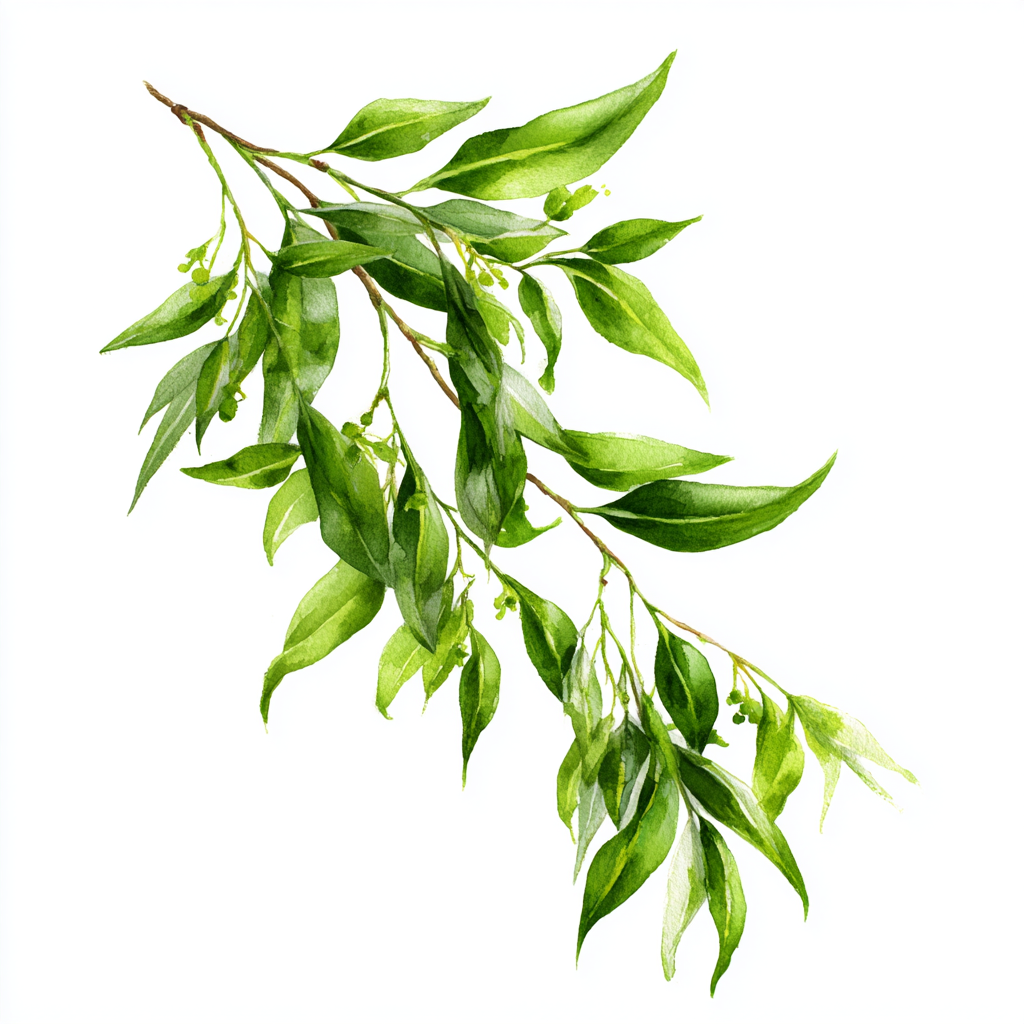
Willow
Group: Despondency or Despair
Keywords: Resentment, bitterness, self-pity, blame
Healing Qualities: Encourages forgiveness, acceptance, and responsibility; restores optimism, gratitude, and empowerment
When to Use: For feelings of unfairness, victimhood, or carrying grudges that block healing and happiness
Notes: Known as the remedy for releasing bitterness and reclaiming inner strength

Rescue Remedy
Composition: A blend of 5 remedies – Rock Rose, Impatiens, Clematis, Star of Bethlehem, Cherry Plum
Purpose: For shock, trauma, crisis, panic, or acute stress
Healing Qualities: Provides immediate comfort, grounding, and calm; helps restore presence of mind in emergencies
When to Use: During accidents, before exams, stressful events, panic attacks, or moments of sudden overwhelm
Notes: The most widely known Bach Flower blend; often carried as a first-aid essence